High-density urban environments create a unique "petri dish" effect for apiaries. Because hives are located in such close proximity, the use of high-efficiency pest and disease control consumables is not optional; it is a biological necessity to prevent rapid cross-infection of pathogens like Varroa mites between colonies and apiaries. Without these specialized interventions, the close quarters of urban beekeeping can lead to a domino effect of colony collapse across an entire city.
Core Takeaway In crowded urban settings, individual colony health is inseparable from community health. High-efficiency controls act as a critical firewall, safeguarding economic assets while preventing managed bees from transmitting devastating diseases to vulnerable wild pollinator populations.
The Reality of Urban Density
Accelerated Pathogen Transmission
In rural settings, distance acts as a natural buffer between apiaries. In urban environments, apiaries are closely distributed, creating a continuous chain for transmission. Pathogens and parasites utilize this density to spread rapidly from one beekeeper’s assets to another.
The "Drift" Factor
Foraging bees often "drift" into neighboring hives, especially in uniform urban landscapes. If one colony is untreated and infested, it becomes a biological time bomb for every other hive within flight range. High-efficiency controls are the only reliable mechanism to interrupt this transmission cycle.
The Function of High-Efficiency Consumables
Targeted Varroa Management
The Varroa mite is the single greatest biological threat to colony survival. Standard treatments may fail in high-pressure environments where re-infestation rates are high. High-efficiency consumables are formulated to provide precise, potent control to suppress mite loads below lethal thresholds.
Preventing Economic Collapse
Disease leads to a decline in honey production and, ultimately, total colony collapse. For urban beekeeping projects to remain economically viable, beekeepers must utilize professional-grade treatments. These consumables ensure the long-term sustainability of the operation by preventing the loss of the biological asset—the bees themselves.
Improving Winter Survival
Colonies weakened by disease rarely survive the winter. Professional epidemic prevention supplies, including specialized medicines, reduce mortality rates during dormant months. This ensures that the colony emerges strong in the spring, ready for pollination services and production.
Ecological and Social Responsibility
Protecting Wild Pollinators
This is a critical, often overlooked factor. Managed honeybees can spill diseases over to wild urban bee species that lack human care. High-efficiency controls serve as an ecological barrier, ensuring that urban beekeeping does not inadvertently decimate native pollinator populations.
Safeguarding Public Spaces
Urban hives are often located near public parks and residential areas. Maintaining disease-free colonies is essential for public safety and the reputation of urban agriculture. Precise monitoring and compliant control agents prevent the spread of disease in these shared public spaces.
Understanding the Trade-offs
Cost vs. Efficacy
High-efficiency and environmentally compliant consumables generally carry a higher price tag than generic alternatives. However, the cost of replacing a dead colony far exceeds the cost of preventative maintenance. You are paying for reliability and the assurance of efficacy in a high-risk environment.
The Requirement for Precision
These tools are not "set and forget." As noted in the technical data, they require scientific use and precise application. Misuse of high-efficiency chemicals can lead to resistance in pests or contamination of hive products. Success requires a commitment to education and strict adherence to application protocols.
Making the Right Choice for Your Goal
To ensure the sustainability of your urban apiary, select consumables based on your specific operational objectives.
- If your primary focus is Asset Protection: Prioritize high-efficiency Varroa treatments to prevent economic loss and ensure winter survival.
- If your primary focus is Ecological Integrity: Choose environmentally compliant consumables that act as a barrier to prevent disease transmission to wild pollinators.
- If your primary focus is Community Health: Invest in precise monitoring tools to detect outbreaks early and prevent cross-infection among neighboring apiaries.
Effective urban beekeeping is less about honey production and more about rigorous, responsible disease management.
Summary Table:
| Key Factor | Urban Beekeeping Impact | Role of High-Efficiency Consumables |
|---|---|---|
| Pathogen Spread | High density causes rapid cross-infection via "drifting" bees. | Acts as a critical firewall to interrupt transmission cycles. |
| Varroa Management | High re-infestation pressure from neighboring untreated hives. | Provides potent, precise control to suppress lethal mite loads. |
| Economic Value | Disease leads to production loss and total colony collapse. | Protects biological assets and ensures long-term ROI. |
| Ecological Impact | Managed bees can spill diseases over to wild pollinators. | Serves as an ecological barrier to protect native species. |
| Survival Rates | Weakened colonies face high mortality during winter months. | Reduces winter mortality and ensures strong spring emergence. |
Secure Your Apiary’s Future with HONESTBEE
In the high-stakes environment of urban beekeeping, the right tools make the difference between a thriving colony and total loss. HONESTBEE caters to commercial apiaries and distributors by providing a comprehensive wholesale range of high-efficiency pest control consumables and professional-grade machinery. From specialized hive-making and honey-filling machines to essential hardware and industry consumables, our portfolio is designed to enhance your operational efficiency and protect your assets.
Ready to upgrade your urban beekeeping operation? Contact us today to explore our wholesale solutions
References
- Douglas B. Sponsler, Eve Z. Bratman. Beekeeping in, of or for the city? A socioecological perspective on urban apiculture. DOI: 10.1002/pan3.10206
This article is also based on technical information from HonestBee Knowledge Base .
Related Products
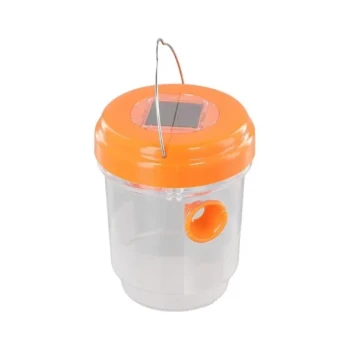
- Gourd Shaped Hanging Wasp Trap Professional Wasp Catcher
- Compact Circular Bee Mite Treatment Dispenser
- Adjustable Formic and Acetic Acid Dispenser for Bee Mite Treatment
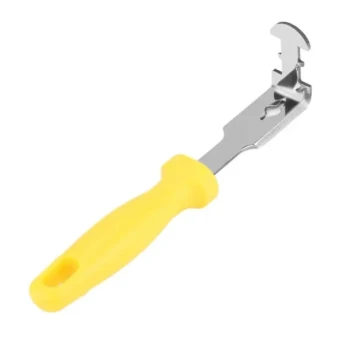
- Heavy Duty Stainless Steel Frame Cleaner with Plastic Handle
- Professional Bucket Style Wasp and Moth Pheromone Trap
People Also Ask
- How do professional wasp traps function? Master Physical Control of Oriental Hornets to Protect Your Apiary
- What are the practical advantages of using professional wasp traps and protective equipment in apiary management? Scale Up
- Why replace sugar syrup bait in wasp traps every three days? Ensure Maximum Attraction and Catch Rates
- What role do specialized wasp traps play in wasp control? Enhance Apiary Security and Pest Monitoring
- How can commercial apiary operators mitigate wasp predation around hives using specialized trapping equipment? Effective strategies for wasp control