Toggle Categories
Get Instant Support
Choose your preferred way to connect with our team
-
Get Free Quote Fill out form for detailed pricing
-
Send Email Detailed inquiry support
-
WhatsApp Quick mobile chat
Response Time
Within 8 hours on working days, 24 hours on holidays









Protective Gear













Beeswax Processing Equipment




Pollen & Propolis & Royal Jelly Processing
Hive & Frame Making Machines
Products
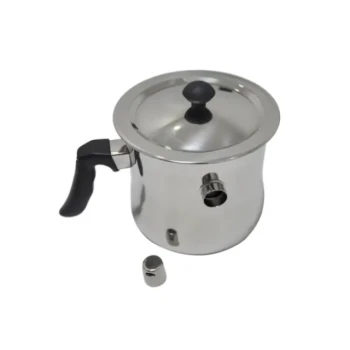
Beeswax Melter for Candle Making Honey Bee Wax Melter
Item Number: BWM-4

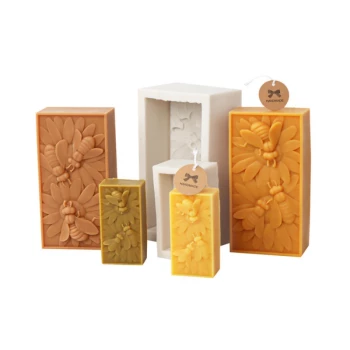
Notebook Style Beeswax Foundation Mould Wax Foundation Mold
Item Number: WFM-8

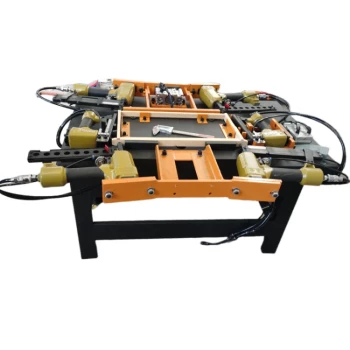
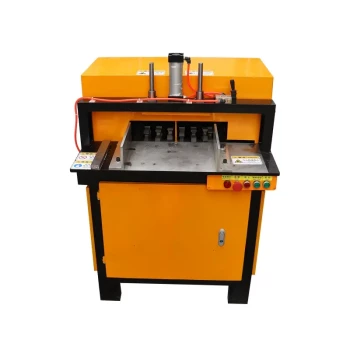
Automatic Finger Joints Joint Making Machine for Bee Box and Hive Making
Item Number: BHJM-1


White PVC Beekeeping Shoes with Non-Slip Safety Sole
Item Number: BS-W

Beekeeper Cowboy Hat and Veil for Beekeeping
Item Number: BH-1

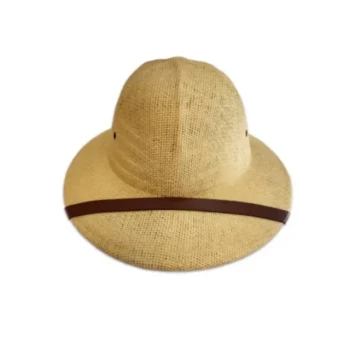
Rigid Pith Style Beekeeper Hat for Square Folding Veils
Item Number: BH-3

Professional Square Folding Wire Mesh Beekeeping Veil
Item Number: BH-4

Square Folding Beekeeping Hat with Integrated Veil
Item Number: BH-5

High-Definition Beekeeper Hat with Round Veil Mesh for Beekeeping
Item Number: BH-6A

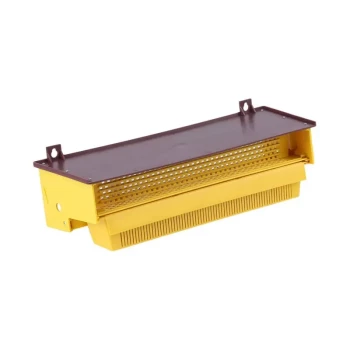
Removable Plastic Pollen Trap With Ventilated Tray for Bees Pollen Collector
Item Number: BPT-1

Plastic Bee Pollen Trap Strips Comb Catcher Collector
Item Number: BPT-2

30 cm Plastic Entrance Hole Bee Pollen Trap and Collector
Item Number: BPT-3

8 Frame and 10 Frame Propolis Trap Collector Screen for Propolis Collection
Item Number: BPC-1


5 Frame Wooden Nuc Box for Beekeeping
Item Number: NUC-1

5 Frame Langstroth Poly Nuc Corrugated Plastic Nuc Boxes
Item Number: NUC-3

Plastic Transporting Bee Packages and Nuc Boxes for Beekeeping
Item Number: NUC-4


Portable Bee Mating Hive Boxes Mini Mating Nucs 8 Frames for Queen Rearing
Item Number: NUC-6

Twin Queen Styrofoam Honey Bee Nucs Mating and Breeding Box
Item Number: NUC-7

Automatic Heat Preservation 6 Frame Pro Nuc Box for Honey Bee Queen Mating
Item Number: NUC-8
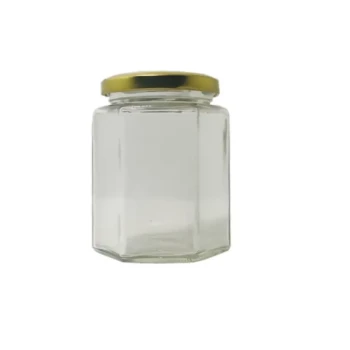
Hexagonal Glass Honey Jars with Metal Lug Caps Elegant Versatile Packaging
Item Number: GHJ-2


REQUEST A QUOTE
Our professional team will reply to you within one business day. Please feel free to contact us!
Related Articles

How Queen Bee Marking Transforms Hive Management: A Beekeeper's Guide
Learn how queen bee marking improves hive management with color-coding, swarm prevention, and efficient colony tracking for beekeepers.
How to Successfully Requeen Hives Using the 5-Frame Nuc Method: A Beekeeper’s Guide
Learn the 5-frame nuc method for successful hive requeening—key steps, biological insights, and troubleshooting tips for beekeepers.
Why Honey Bear Packaging Wins: Psychology, Functionality, and Safety Behind Its Enduring Appeal
Discover why honey bear packaging wins with psychology, functionality, and safety—boosting sales and consumer appeal.
How Glass Jars Preserve Honey Purity While Supporting Sustainable Beekeeping
Discover why glass jars are the best for preserving honey purity and supporting sustainable beekeeping practices. Learn the science and benefits.
Beyond Honey: The Strategic Calculus of the Pollen Trap
Pollen traps offer a protein reserve for colony growth but introduce risks. Learn the strategic calculus for using this powerful beekeeping tool.
Why Nucs Give New Beekeepers a 75% Higher Success Rate (and How to Maximize Their Advantage)
Nucs boost new beekeepers' success rates by 75% with established colonies, accepted queens, and faster honey production. Learn how to maximize their advantages.
The Art of Gentle Intervention: A Guide to Pollen Trap Mechanics and Bee Psychology
Explore pollen trap design from a systems perspective, balancing harvest efficiency with the psychology and health of your bee colony.
Nucs vs. Bee Packages: Choosing the Right Starter Colony for Your Climate and Beekeeping Goals
Choosing between nucs vs. bee packages? Learn which starter colony suits your climate & goals for beekeeping success. Compare costs, survival rates & more.
How to Ensure New Beehive Survival: Feeding Strategies and Colony Milestones
Learn essential feeding strategies and colony milestones to ensure new beehive survival. Tips on sugar syrup ratios, pollen patties, and progress monitoring.
The Nuc Box Is Not a Home, It's a Tool: A Strategic Guide to Apiary Fleet Management
Choosing a nuc box isn't about materials; it's a strategic decision balancing apiary goals, operational efficiency, and long-term value.
How to Rearrange Brood Boxes Without Sacrificing Queen Cell Viability
Learn expert techniques for rearranging brood boxes without harming queen cell viability, including thermal management and the Ben Harden Method.
How to Secure Beehives in Winter: Tie-Down Straps as a Lifeline for Colonies
Learn how tie-down straps protect beehives from winter storms, prevent colony loss, and boost survival rates. Essential for beekeepers.
How to Maintain Genetic Diversity in Queenless Bee Colonies: Practical Strategies for Small Apiaries
Learn science-backed strategies to maintain genetic diversity in queenless bee colonies for small apiaries. Prevent inbreeding with tactical relocation and drone management.
From Paper to Foundation: The Universal Physics of Embossing at Scale
Embossing isn't about the machine, but the material. This principle scales from craft paper to industrial beeswax foundation for apiaries.
How to Time Pollen Patty Feeding for Maximum Spring Productivity Without Overextending Colonies
Learn to time pollen patty feeding for maximum spring productivity without overextending colonies. Boost honey yields with science-backed strategies.
The Embossing Dilemma: Scaling Beeswax Foundation from Craft to Commerce
Choosing between beeswax embossing rolls and plates is a strategic decision about scale, capital, and operational philosophy in beekeeping.
Engineering Symbiosis: The Unseen Role of the Beeswax Embossing Machine
Discover how beeswax embossing machines create a blueprint for bee productivity, saving colony energy and improving hive management for commercial apiaries.
How Mesh Ladders Solve Bee Drowning Risks in Feeder Boxes
Discover how mesh ladders reduce bee drowning risks in feeder boxes by 80%—science-backed solutions for safer beekeeping.
How to Choose Beekeeping Protective Clothing That Fits Your Needs and Environment
Learn how to choose the best beekeeping protective clothing for safety, comfort, and climate—whether you're a beginner or expert beekeeper.
Why Your Bee Smoker Is Making Your Hives More Aggressive—And How to Fix It
Struggling with aggressive hives? Your smoker technique is likely the problem. Learn why cool, white smoke is key and how the right tools prevent agitation.