Toggle Categories
Get Instant Support
Choose your preferred way to connect with our team
-
Get Free Quote Fill out form for detailed pricing
-
Send Email Detailed inquiry support
-
WhatsApp Quick mobile chat
Response Time
Within 8 hours on working days, 24 hours on holidays
Gifts & Other Products

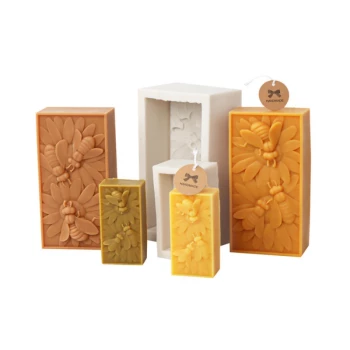
3D Square Honeycomb Pillar Silicone Candle Molds for Making Beeswax Candles
Item Number: CSM-1

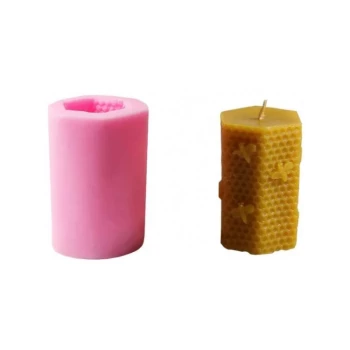
Honeycomb Hexagonal Pillar Silicone Candle Mold for Candle Making
Item Number: CSM-2

Round Honeycomb Pillar Silicone Candle Molds for Candles
Item Number: CSM-3

3D Beehive Silicone Skep Wax Candle Molds for Candles
Item Number: CSM-4
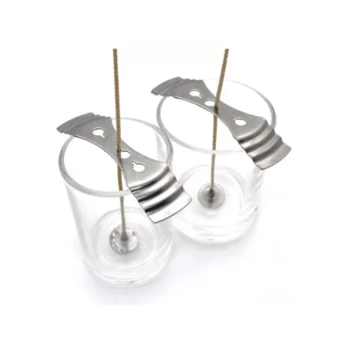
Metal Wick Holder Centering Devices for DIY Candle Making Candle Wick Holder
Item Number: CMT-1

Silver Metal Candle Wick Tabs Sustainer Base for Candle Making
Item Number: CMT-2

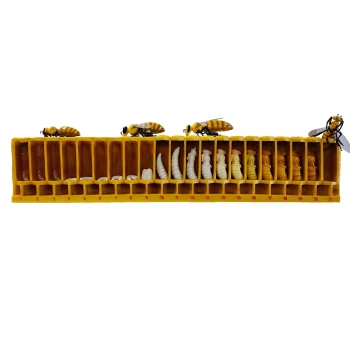
Honey Bee Lifecycle Model: A Detailed Honeycomb Display of Bee Development
Item Number: LCM-1
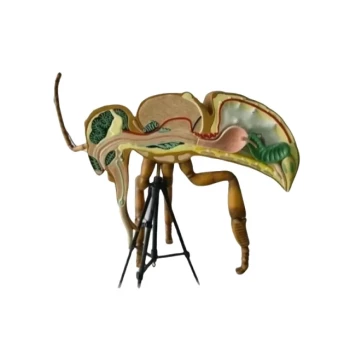
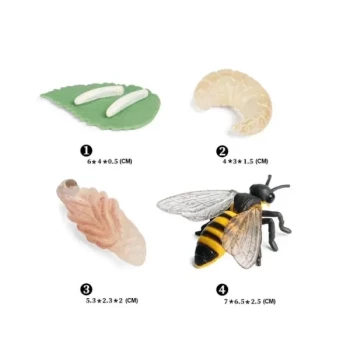
Honey Bee Life Cycle Model 4 Stage Educational Set for Kids Learning
Item Number: LCM-4
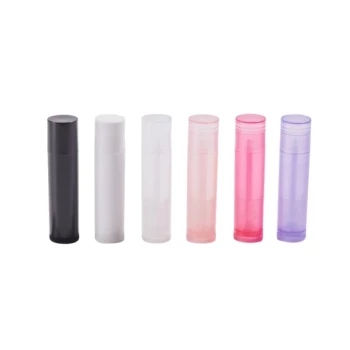
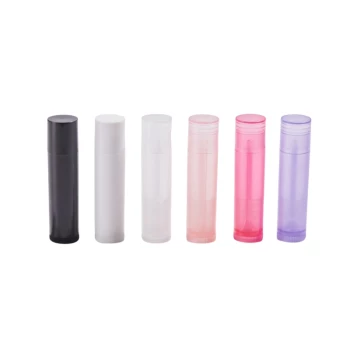
HONESTBEE Classic Twist Up Lip Balm Tubes
Item Number: LBT-1
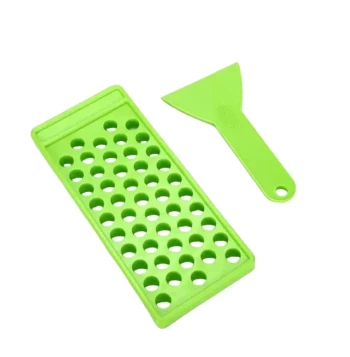
50 Hole Standard Design Lip Balm Filling Tray
Item Number: LBT-2
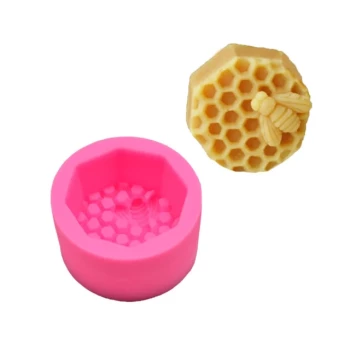
Hexagonal Bee Honeycomb Silicone Soap Mold by HONESTBEE
Item Number: SSM-1
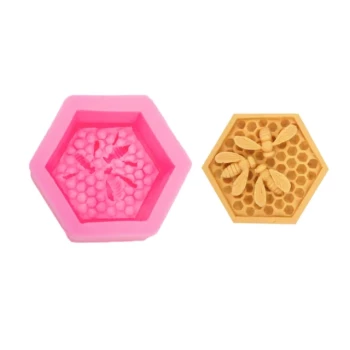
Honeycomb and Bee Silicone Soap Mold for DIY Handmade Soaps
Item Number: SSM-2
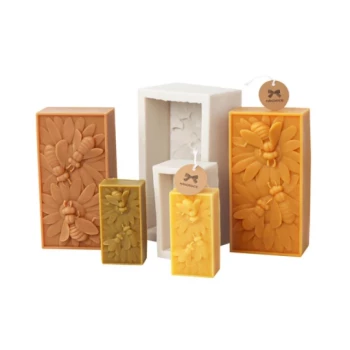
Bee Floral Relief Silicone Mold for Artisan Soap Candle Making
Item Number: SSM-3
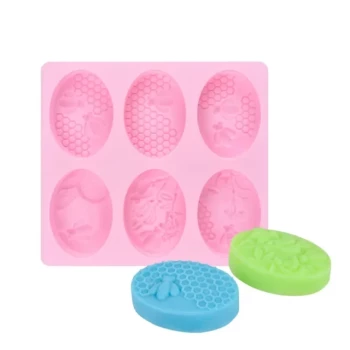
Premium 6-Cavity Bee and Floral Themed Silicone Soap Mold
Item Number: SSM-4
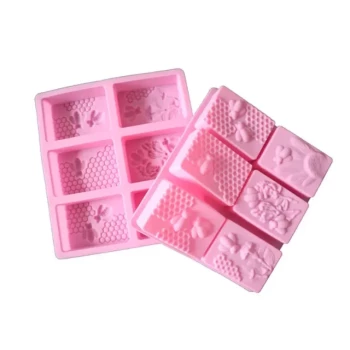
6-Cavity Bee Floral Themed Silicone Soap Mold for Handmade Soap Making
Item Number: SSM-5
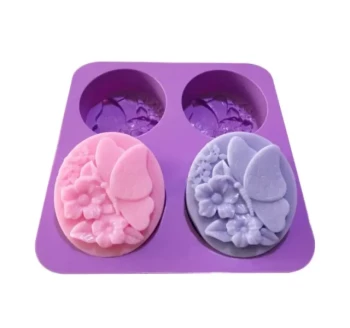
Butterfly Flower Oval Silicone Soap Mold for DIY Handmade Soap Making
Item Number: SSM-6
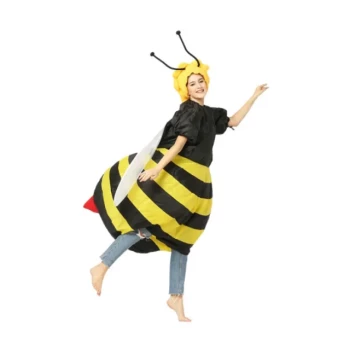
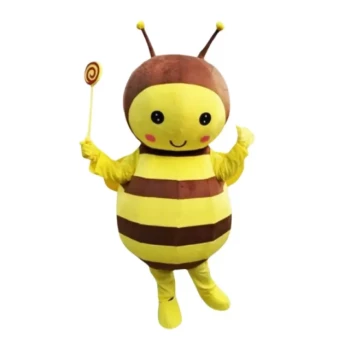
Plush Bee Mascot Costume Professional Engaging Brand Ambassador
Item Number: HBC-2

Charming Bee Mascot Costume Professional Engaging Brand Ambassador
Item Number: HBC-3
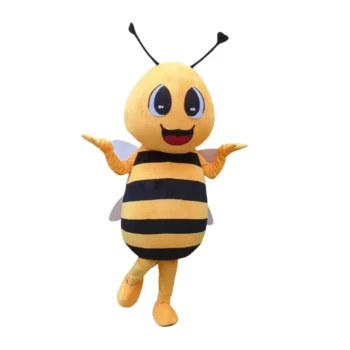
Friendly Bee Mascot Costume Vibrant Engaging Promotional Asset
Item Number: HBC-4
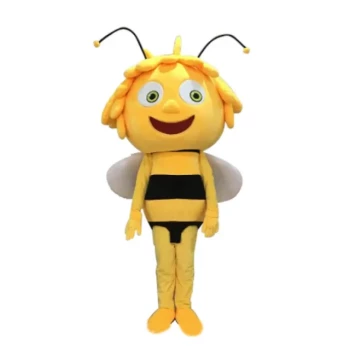
Iconic Maya the Bee Mascot Costume Professional Engaging Character Outfit
Item Number: HBC-5

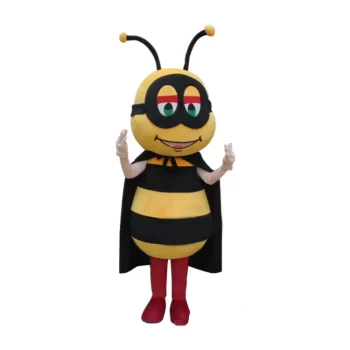
Superhero Bee Mascot Costume Dynamic Professional Brand Champion Costume
Item Number: HBC-6
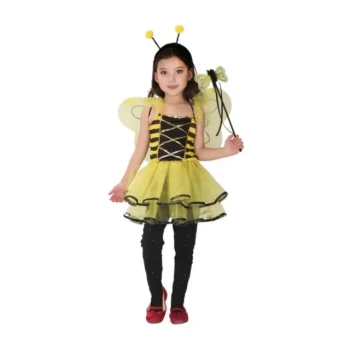
Adorable Charming Playful Childs Bee Costume Set
Item Number: HBC-11
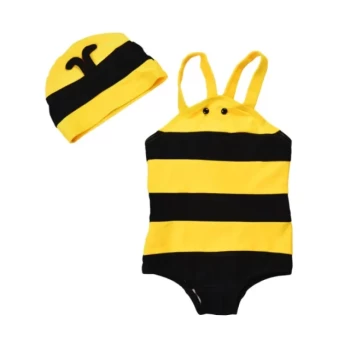
Adorable Baby Toddler Bee Swimsuit and Cap Set
Item Number: HBC-13
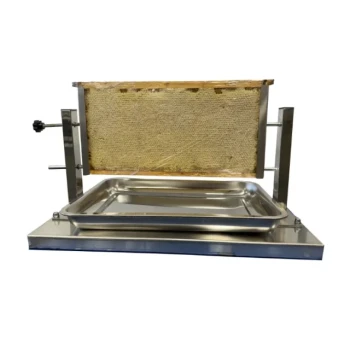
Professional Adjustable Stainless Steel Honeycomb Display Stand
Item Number: HCS-1
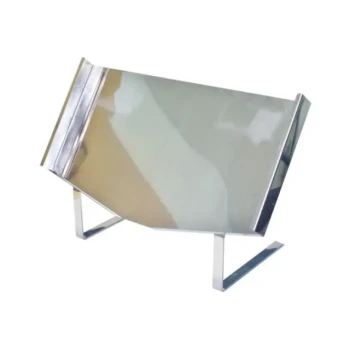
Minimalist Stainless Steel Honeycomb Display Stand
Item Number: HCS-2
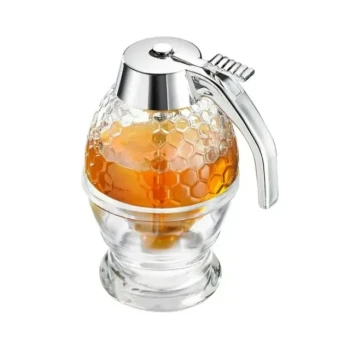
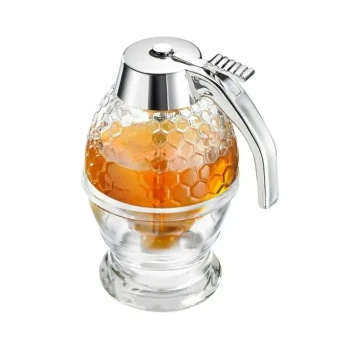
Honeycomb Style Drip Free Honey Dispenser
Item Number: AHS-1

Premium Diamond-Faceted Glass Honey Dispenser
Item Number: AHS-2
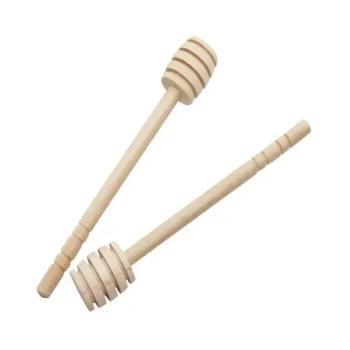
Natural Wood Honey Dipper for Tea Coffee and Desserts
Item Number: HB-2
REQUEST A QUOTE
Our professional team will reply to you within one business day. Please feel free to contact us!
Related Articles
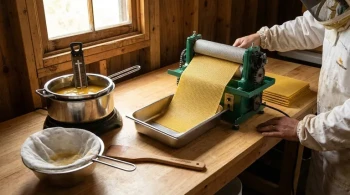
How to Choose and Use Budget-Friendly Tools for Durable Beeswax Foundations
Learn budget-friendly techniques for crafting durable beeswax foundations with essential tools, temperature control, and step-by-step workflows.
Why Honey Crystallizes Differently—And How to Manage It Naturally
Learn why honey crystallizes differently based on sugar composition and floral source, plus natural storage and decrystallization tips.
How Precision-Engineered Beeswax Sheets Boost Hive Health and Honey Production
Discover how precision-engineered beeswax sheets enhance hive health, boost honey production, and reduce beekeeping costs with uniform cell depth.
How Professional Honey Filtration Preserves Quality While Meeting Food Safety Standards
Learn professional honey filtration techniques that preserve quality while meeting food safety standards for commercial beekeepers.
How to Manage Honey Crystallization Without Compromising Quality
Learn how to manage honey crystallization naturally while preserving quality. Discover safe decrystallization methods and storage tips for beekeepers.
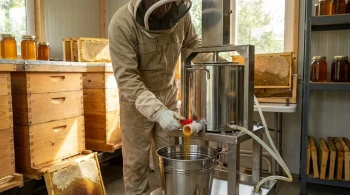
How Honey Pumps Protect Quality and Adapt to Modern Beekeeping Needs
Discover how honey pumps preserve quality and boost efficiency in modern beekeeping. Learn about gentle transfer, temperature control, and scalable flow rates.
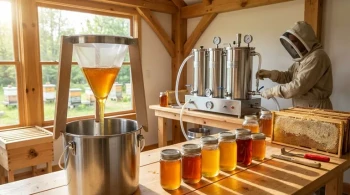
How to Choose the Right Honey Filter for Your Beekeeping Operation
Learn how to choose the right honey filter for beekeeping—compare mesh vs. multi-stage filters for purity, efficiency, and cost.
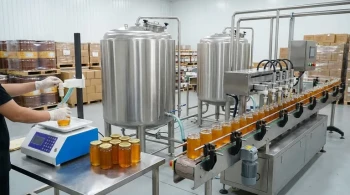
How to Choose Between Semi-Automatic and Automatic Honey Fillers for Optimal ROI
Compare semi-automatic vs. automatic honey fillers for ROI: production scale, cost savings, and scalability guide for apiaries.
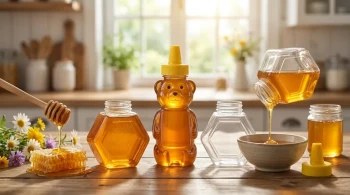
Why Honey Bear Packaging Wins: Psychology, Functionality, and Safety Behind Its Enduring Appeal
Discover why honey bear packaging wins with psychology, functionality, and safety—boosting sales and consumer appeal.
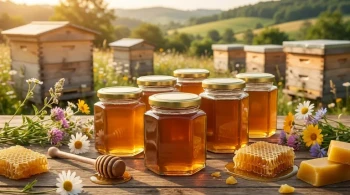
How Glass Jars Preserve Honey Purity While Supporting Sustainable Beekeeping
Discover why glass jars are the best for preserving honey purity and supporting sustainable beekeeping practices. Learn the science and benefits.
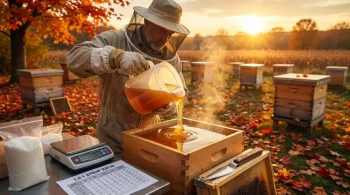
How to Optimize Autumn Syrup for Stronger Hives and Higher Honey Yields
Optimize autumn syrup with 1.6:1 sugar ratio for stronger hives, faster curing, and higher winter survival rates. Essential beekeeping tips inside.
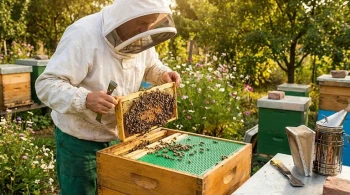
How to Maintain Genetic Diversity in Queenless Bee Colonies: Practical Strategies for Small Apiaries
Learn science-backed strategies to maintain genetic diversity in queenless bee colonies for small apiaries. Prevent inbreeding with tactical relocation and drone management.
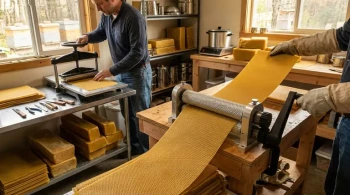
The Embossing Dilemma: Scaling Beeswax Foundation from Craft to Commerce
Choosing between beeswax embossing rolls and plates is a strategic decision about scale, capital, and operational philosophy in beekeeping.
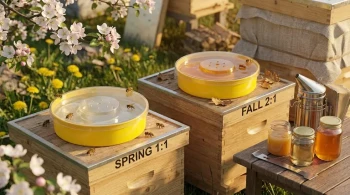
Optimizing Bee Nutrition: The Science Behind Seasonal Syrup Ratios
Learn the science behind seasonal bee syrup ratios to optimize hive health year-round. Tailor feeding strategies for spring and fall.
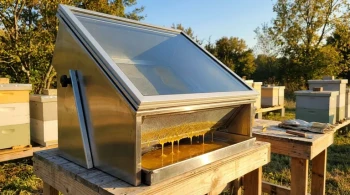
Stop Paying to Melt Wax: The Commercial Beekeeper's Guide to Zero-Cost Rendering
Discover how your current wax rendering methods are silently draining profits. Learn how to eliminate energy costs and improve wax quality.
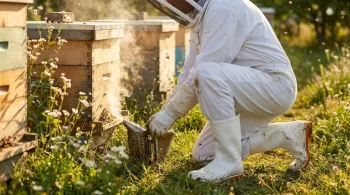
How to Choose Beekeeping Boots: Safety, Durability, and Comfort Criteria Explained
Learn how to choose the best beekeeping boots for safety, durability, and comfort. Compare materials like rubber, leather, and synthetics.
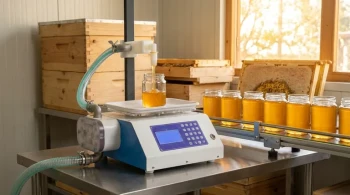
Why Your Honey Bottles Look Inconsistent on the Shelf—And Why the Fix Isn't What You Think
Struggling with uneven honey fill levels? Discover the surprising reason it's not your filler's fault and how fill-to-level technology ensures perfect shelf appeal.
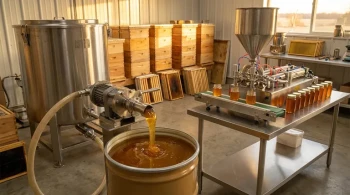
Transfer vs. Bottle: The Critical Honey Pump Mistake Costing Your Apiary
Stop damaging your honey and wasting time. Learn the difference between transfer pumps and bottling machines to boost efficiency and protect your product quality.
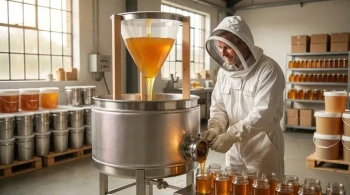
The Honey Bottleneck: Why Your Filtering Process Is Slowing Growth—And How to Fix It
Struggling with slow honey filtering and processing delays? Learn why hobbyist methods fail at commercial scale and how professional equipment can accelerate your workflow and protect product quality.
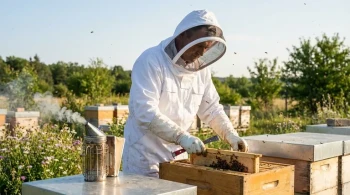
How to Choose and Maintain a Bee Suit That Actually Prevents Stings
Learn how to choose and maintain a bee suit that effectively prevents stings with fabric tech, design tips, and beekeeper-approved care.