Blog
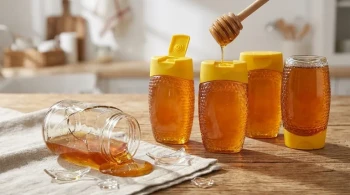
The Unseen Economics of a Honey Jar: Why Plastic Outperforms Glass
8 months agoA deep dive into the logistical and psychological reasons why plastic is a superior strategic choice for commercial honey packaging.
Learn More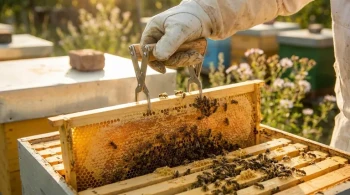
Your Frame Grip Might Be Costing You Thousands: The Hidden Link Between Tool Hygiene and Apiary Collapse
8 months agoDiscover why a sticky frame grip is more than a nuisance—it's a major biosecurity risk. Learn how proper maintenance prevents disease and protects your profit.
Learn More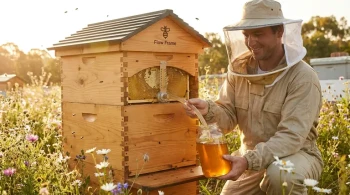
How Flow Frames Revolutionize Beekeeping with Bee-Friendly Honey Harvesting
8 months agoDiscover how Flow Frames revolutionize beekeeping with bee-friendly honey harvesting, reducing stress on colonies and boosting efficiency.
Learn More
Don't Waste Your Wax: Unlocking Hidden Value from Your Honey Press
8 months agoLearn how commercial apiaries can maximize profits by understanding and utilizing the "waste" from honey pressing, transforming it into valuable co-products.
Learn More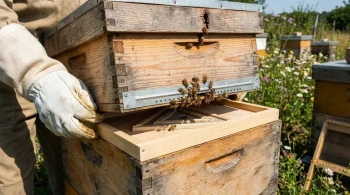
The Engineer's Gambit: Why Your Bee Escape Board Fails
8 months agoSuccess with a triangular escape board isn't about the tool, but mastering two system details: precise sizing and sealing all upper entrances.
Learn More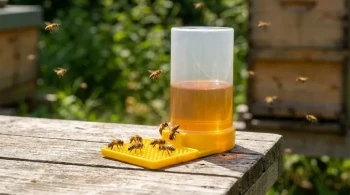
The Benevolent Trap: Why Your Bee Feeder's Design is a Matter of Life and Death
8 months agoPoorly designed bee feeders can become a fatal trap. Discover the critical engineering that separates an efficient tool from a risk to your colony.
Learn More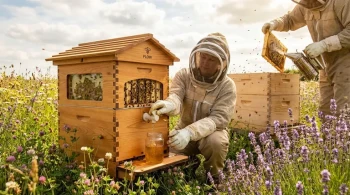
How Flow Hive’s Non-Invasive Design Enhances Bee Health and Productivity
8 months agoDiscover how Flow Hive’s non-invasive design improves bee health, reduces stress, and boosts honey production sustainably.
Learn More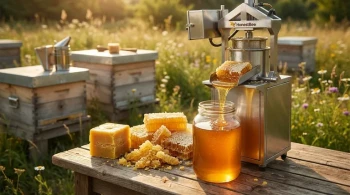
The Beekeeper's Dilemma: The Brutal, Beautiful Logic of the Honey Press
8 months agoA honey press crushes comb for maximum yield—a brutal but effective choice. Understand the trade-offs between efficiency and bee energy.
Learn More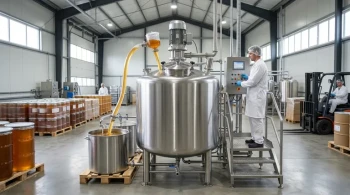
Is Your Honey Tank Holding Your Business Hostage? How to Choose a Size That Fuels Growth, Not Frustration
8 months agoStop letting an undersized honey tank cap your production. Learn how to strategically select a mixing tank size that eliminates bottlenecks and scales your business.
Learn More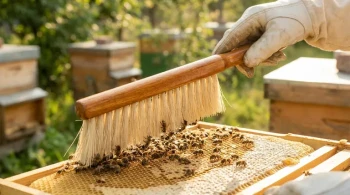
A Beekeeper's Oath: The Biosecurity and Ethics Engineered into a Bee Brush
8 months agoA bee brush isn't just a tool; it's a commitment to bee welfare and hive biosecurity. Learn the design principles that prevent disease.
Learn More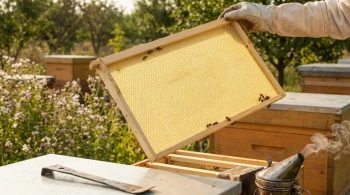
How Beeswax Foundations Enhance Colony Health and Beekeeping Efficiency
8 months agoDiscover how beeswax foundations improve colony health, boost honey yields, and enhance beekeeping efficiency with natural comb benefits.
Learn More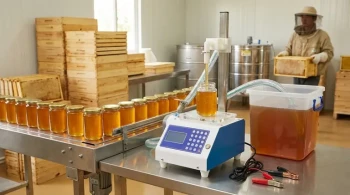
The Bottleneck and the Bottle: A Systems Approach to Honey Filling
8 months agoChoosing a honey filling machine isn't about features. It's about matching equipment to three core variables: product viscosity, production pace, and package type.
Learn More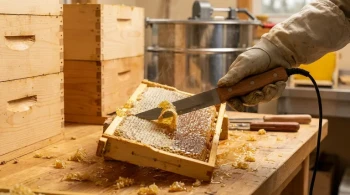
Beyond the Blade: The Uncapping Knife as a Litmus Test for Your Apiary's Scale
8 months agoAn electric uncapping knife isn't just a tool; it's a strategic choice about time, effort, and operational scale in commercial beekeeping.
Learn More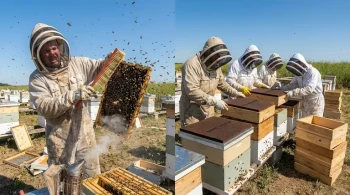
Your Bee Brush Is Slowing You Down. Here’s What Commercial Apiaries Use Instead.
8 months agoStruggling with chaotic, inefficient honey harvests? Discover why the bee brush is hurting your commercial-scale operation and what to use for a faster, calmer harvest.
Learn More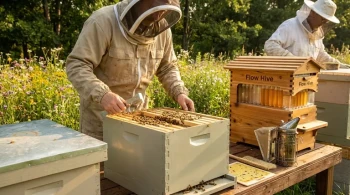
How Beekeepers Can Prevent Hive Diseases in Langstroth and Flow Hives
8 months agoLearn how to prevent hive diseases in Langstroth and Flow Hives with proactive inspection methods and disease management strategies for healthier colonies.
Learn More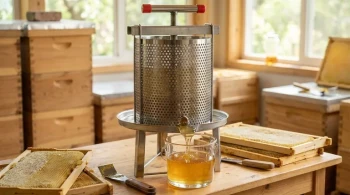
Beyond Brute Force: Why Your Honey Press Is Costing You Quality and Yield
8 months agoStruggling with cloudy honey and inconsistent yields? Discover why the real problem isn't your comb or filter, but your pressing method—and how to fix it.
Learn More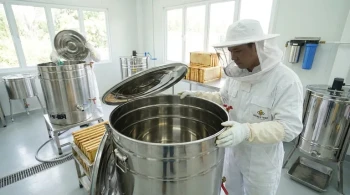
Is Your Honey Tank a Hidden Hazard? Why Poor Sanitation Can Spoil Your Harvest
8 months agoDiscover how overlooked design flaws in honey heating tanks can compromise hygiene, spoil honey, and impact your apiary's profitability. Learn the true path to sanitary processing.
Learn More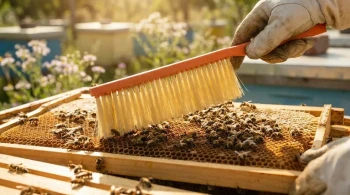
The Silent Profit Killer: Why a Simple Bee Brush Can Make or Break Your Harvest
8 months agoDiscover why your hives become defensive during inspections. It’s not just mood—it's your tools. Learn how the right bee brush prevents chaos and boosts apiary productivity.
Learn More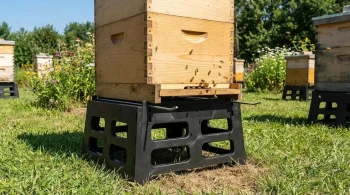
How Hive Stands Protect Your Bees: Stopping Pests, Moisture, and Beekeeper Burnout
8 months agoHive stands protect bees from pests, moisture, and beekeeper strain. Learn why elevation is key to colony health and longevity.
Learn More
Working with Instinct, Not Against It: The Mechanics of the Bee Escape Board
8 months agoLearn how the Triangle Escape Board uses bee psychology for a 95% effective, low-stress honey harvest and how to avoid common failures.
Learn More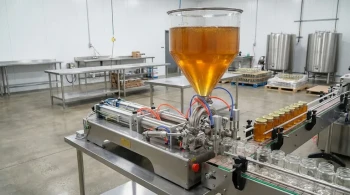
The Sticky Truth: Why Your Honey Filling Fails and How to Fix It for Good
8 months agoStruggling with messy, inconsistent honey bottling? Discover the real cause—temperature instability—and how the right equipment solves it for good.
Learn More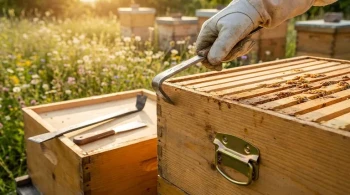
More Than Steel: Choosing the Right Hive Tool for Apiary Efficiency
8 months agoExplore the physics and psychology of hive tools. Learn how shape, size, and blade design impact commercial apiary workflow and colony health.
Learn More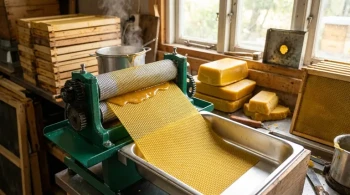
How Beeswax Foundation Machines Transform Beekeeping Efficiency
8 months agoDiscover how beeswax foundation machines enhance beekeeping efficiency, improve honey yield, and support hive health with precision-engineered comb foundations.
Learn More
Heat, Honey, and Haste: The Physics of Preserving Liquid Gold
8 months agoHeating honey reduces viscosity but risks destroying its value. Gentle thermal management is key to preserving quality from the jar to the drum.
Learn More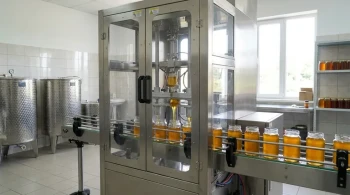
The Unseen Cost of Manual Honey Filling: A Case for Automation
8 months agoAutomated fillers solve more than speed; they address the hidden costs of inconsistency and the psychological barrier to scaling honey operations.
Learn More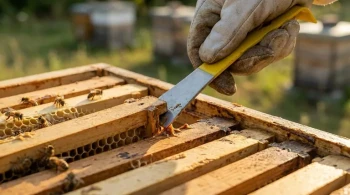
Beyond the Pry Bar: The Hive Tool as an Extension of Intent
8 months agoMaster the hive tool not as a lever, but as a communication device. Learn how slow, deliberate actions reduce colony stress and improve apiary efficiency.
Learn More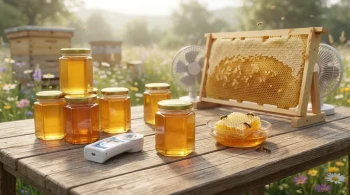
How to Preserve Honey's Nutrients Without Heat: Science-Backed Methods
8 months agoLearn science-backed methods to preserve honey's nutrients without heat, maintaining enzymes and antioxidants for raw honey quality.
Learn More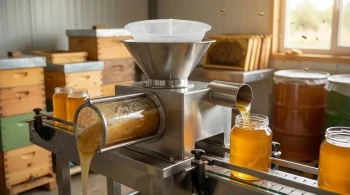
Beyond the Strainer: The Engineering of Trust in Commercial Honey Production
8 months agoExplore how honey filtering machines offer commercial beekeepers precise control over purity, efficiency, and market perception.
Learn More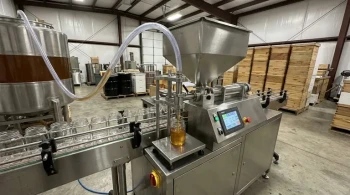
The Bottleneck and the Bottom Line: A Systems Approach to Choosing Your Honey Filling Machine
8 months agoChoosing a honey filler is a strategic decision balancing viscosity, accuracy, and operational philosophy. Learn how to pick the right system.
Learn More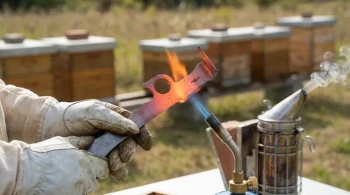
The Typhoid Mary of the Apiary: Why Your Hive Tool is a Double-Edged Sword
8 months agoYour hive tool is a primary vector for disease. Learn how simple sterilization prevents catastrophic, asymptomatic transmission in commercial apiaries.
Learn More