All Questions
Why Are Transparent Glass Bottles Recommended For Honey Packaging? Enhance Trust And Preservation For Your Brand
Discover why glass is the superior choice for honey: from visual quality checks to chemical stability and aroma preservation.
What Is The Role Of Sterile Polyethylene Bottles And 4°C Storage In Honey Sampling? Ensure High-Precision Analysis
Learn how sterile polyethylene containers and 4°C storage stabilize honey samples by preventing contamination and enzymatic degradation.
What Are The Advantages Of Glass Bottles For Medicinal Bee Products? Ensure Maximum Potency And Long-Term Stability
Discover why glass bottles outperform traditional containers by providing an airtight, non-reactive barrier for medicinal honey and royal jelly.
Why Are Specific Glass Jars Selected For Artificial Bee Bread? Ensure Potency And Shelf-Life With Optimal Storage
Learn why glass jars are essential for artificial bee bread, focusing on gas impermeability, chemical inertness, and anaerobic preservation.
Why Is It Necessary To Use Food-Grade Sterile Containers For Honey Samples? Ensure Reliable Lab Testing Results
Learn why sterile, food-grade containers are vital for honey testing to prevent contamination, moisture fluctuation, and chemical leaching.
Why Are Glass Containers Prioritized Over Plastic For Organic Honey? Preserve Purity And Enzyme Activity
Discover why glass is the superior choice for organic honey storage, ensuring chemical purity, therapeutic value, and long-term quality.
What Roles Do Standardized Packaging Containers And Specialized Storage Equipment Play In The Honey Supply Chain?
Discover how standardized containers and storage equipment protect honey integrity, optimize logistics, and unlock global export markets.
What Are The Advantages Of Using 5 Ml Glass Spray Bottles For Honey Bee Hygienic Behavior Testing? Boost Research Precision
Discover how 5 ml glass spray bottles enhance bee hygienic testing with superior biological realism, chemical integrity, and uniform application.
What Are The Advantages Of Various Sealing Bottle Sizes For Heterotrigona Itama Honey? Maximize Purity And Market Reach
Discover how diverse bottle sizes and airtight sealing protect Heterotrigona itama honey from fermentation while boosting market turnover.
Why Are Amber Glass Bottles Required For Stingless Bee Propolis? Protect Your Bioactive Compounds From Light
Learn why amber glass is essential for stingless bee propolis storage to prevent photo-oxidation and preserve medicinal flavonoids and phenolics.
What Is The Primary Purpose Of Using Dark Glass Bottles For Propolis Tinctures? Protect Your Extracts From Degradation
Learn why dark glass is essential for propolis tinctures to block UV light, prevent photo-oxidation, and preserve antimicrobial bioactive compounds.
Why Is The Selection Of Professional Packaging Tools And Materials Critical In The Honey Supply Chain? Protect Your Brand
Learn why professional honey packaging is essential for preventing fermentation, ensuring transport safety, and boosting market competitiveness.
How Do Honey Packaging Materials Influence The Overall Honey Production And Distribution Cycle? Optimize Quality & Cost
Learn how honey packaging impacts shelf life, logistics, and brand value. Discover the best materials to ensure integrity and reduce shipping costs.
Why Are Industrial-Grade Glass Containers Preferred For The Long-Term Storage And Transportation Of Honey Samples?
Discover why glass is the industry standard for honey storage, offering chemical inertness, moisture control, and preservation of bio-activity.
Benefits Of Standardized Transparent Packaging For Trigona Honey: Boost Market Value & Safety
Unlock the commercial potential of Trigona honey with standardized transparent packaging to enhance visual appeal and ensure food safety standards.
Why Are Sterile Glass Containers Required For Honey Sample Collection? Ensure Accuracy In Honey Quality Testing
Discover why sterile glass is the industry standard for honey testing, preventing contamination and ensuring chemical stability for accurate results.
Why Is The 500G Glass Jar A Retail Standard For Honey? Key Benefits Of Packaging For Consumer Trust
Discover why the 500g glass jar dominates honey retail, focusing on chemical inertness, visual purity, and consumer psychology.
What Are The Commercial And Hygienic Advantages Of Using Small-Capacity Glass Bottles For Stingless Bee Honey Packaging?
Discover why standardized small glass bottles are essential for stingless bee honey to prevent fermentation and boost premium market positioning.
Why Are Polyethylene Bottles Preferred For Honey Sample Collection? Ensure Purity & Stability In Honey Analysis
Learn why polyethylene is the standard for honey sampling, offering chemical stability, moisture protection, and biological accuracy for analysis.
Why Are Transparent Plastic Containers Preferred For The Long-Term Storage Of Honey? Visual Quality & Airtight Protection
Learn how transparent plastic containers protect honey from moisture and fermentation while allowing for non-invasive visual quality monitoring.
Why Are 20 Ml Transparent Glass Containers Specified For Professional Honey Sensory Evaluation? Accuracy & Standards
Discover why 20 mL glass is the industry standard for honey sensory evaluation, ensuring precise aroma volatilization and Pfund scale color grading.
What Are The Functions Of Using Airtight Sterile Glass Containers For Honey Sample Collection? Ensure Data Integrity
Learn why airtight sterile glass containers are essential for honey sampling to prevent contamination and preserve bioactive enzymes.
What Is The Strategic Importance Of Using Professional Packaging Consumables? Elevate Your Honey Brand & Margins
Learn how professional honey packaging consumables protect product integrity, enhance brand perception, and unlock high-value retail markets.
What Is The Value Of Using Food-Safe Packaging Materials For Bee Product Retailers? Maximize Profit And Honey Quality
Learn how food-safe packaging protects honey quality, prevents spoilage, and enables bee product retailers to access premium markets.
What Are The Technical Advantages Of Glass Bottles For Honey Packaging? Ensure Superior Preservation And Purity
Discover why glass outperforms plastic for honey storage, offering moisture barriers, zero chemical leaching, and thermal resilience.
What Is The Significance Of Polypropylene (Pp) Bottles In Honey Production? Boost Efficiency & Reduce Costs
Discover why PP bottles are essential for honey distribution: offering durability, lower shipping costs, and impact resistance for your apiary.
Why Is The Transition From Traditional Containers To Modern Glass Packaging Recommended? Elevate Your Honey Brand
Discover why modern glass packaging is essential for stingless bee honey to ensure chemical stability, hygiene, and premium market positioning.
What Are The Technical Benefits Of Using High-Sealing Screw-Cap Plastic Containers And Low-Temperature Dark Storage?
Learn how high-sealing plastic containers and 4°C dark storage preserve honey's chemical integrity, prevent fermentation, and lock in volatiles.
What Are The Key Considerations For Selecting Food-Grade Honey Bottles? Enhance Preservation And Market Appeal
Learn how to choose the right honey packaging by balancing airtight seals, material durability, and consumer convenience for maximum shelf life.
How Do Specialized Honey Containers Preserve Stingless Bee Honey? Protect Your Harvest Quality And Value
Learn how specialized containers prevent fermentation and chemical leaching to preserve the medicinal value of stingless bee honey.
Why Is It Necessary To Use Dark Glass Bottles For The Storage Of Propolis? Protect Your Bioactive Harvest
Learn why dark amber glass is essential for propolis storage to prevent photo-oxidation and preserve medicinal potency and chemical stability.
What Considerations Guide The Choice Between Glass And Plastic Bottles For Forest Honey? Optimize Your Honey Packaging
Learn how to choose between glass and plastic honey packaging based on market value, logistical efficiency, and product preservation needs.
Why Is The Use Of Specialized Sealed Containers And Light-Shielding Emphasized During Honey Collection? Key Best Practices
Learn why sealed containers and light-shielding are critical for preserving honey sample integrity, moisture levels, and chemical stability.
What Are The Benefits Of Using High-Performance Light-Shielding Packaging Materials For Functional Honey?
Discover how light-shielding packaging preserves the antibacterial factors and biological activity of high-value functional honey.
Why Are Amber Glass Bottles Required For Storing Botanical Extracts? Protect Your Apiary Treatments From Uv Degradation
Learn why amber glass is essential for protecting bee-related botanical extracts from UV oxidation and maintaining biological activity at 4°C.
Why Is It Necessary To Use Food-Grade Packaging For Commercial Honey? Elevate Your Brand And Ensure Safety
Learn why food-grade packaging and standardized labeling are essential for honey safety, regulatory compliance, and market growth.
What Is The Significance Of Using Sealed Glass Containers For Honey Storage? Ensure Maximum Experimental Accuracy
Discover why sealed glass containers are essential for honey analysis, preventing moisture exchange, chemical migration, and contamination.
What Role Do Packaging Consumables Play In The Honey Industry? Maximize Shelf Life And Retail Profitability
Learn how packaging consumables protect honey quality, prevent fermentation, and transform raw honey into high-value retail products.
Why Are Specialized Honey Packaging Consumables Necessary For E-Commerce? Secure Your Shipments Against Logistics Risks
Learn why specialized packaging is essential for honey e-commerce to prevent breakage, manage temperature, and stop leaks during transit.
What Is The Necessity Of Using Sealed Plastic Bottles And Low-Temperature Equipment For Stingless Bee Honey Storage?
Learn why sealed plastic bottles and 4°C refrigeration are vital to prevent fermentation and preserve the medicinal value of stingless bee honey.
Why Is It Important To Use Clean Glass Bottles And Dark Storage For Honey Samples? Ensure Accurate Data Integrity
Learn how clean glass bottles and dark, cold storage protect honey samples from contamination and degradation for accurate scientific analysis.
What Are The Advantages Of Using High-Quality Glass Containers In The Commercial Packaging Of Honey? Boost Premium Value
Discover how high-quality glass preserves honey purity, prevents fermentation, and elevates brand positioning in the premium honey market.
What Are The Technical Benefits Of Using Glass Packaging Consumables For The Distribution Of Honey Products?
Discover why glass packaging is the technical gold standard for honey: superior chemical stability, moisture barriers, and aroma preservation.
What Is The Primary Function Of Sterile Polyethylene Bottles? Ensure Pure Honey Analysis And Sample Integrity
Learn how sterile polyethylene bottles prevent contamination and material migration during honey sampling for accurate results.
Why Is The Selection Of Packaging Containers Significant In The Commercial Distribution Of Honey? Maximize Profits
Discover how honey packaging, like squeeze bottles, boosts market value, ensures preservation, and enhances consumer convenience for higher ROI.
What Are The Advantages Of Glass Containers For Honey? Elevate Quality And Market Value With Premium Packaging
Discover the chemical stability and marketing benefits of glass honey jars, from superior aroma preservation to premium retail positioning.
How Does The Choice Of Honey Filling Container Size Impact Cost And Pricing? Optimize Your Packaging Strategy
Learn how container size affects honey pricing, unit costs, and machinery selection to maximize margins in industrial honey processing.
What Is The Purpose Of Using Sterilized Sealed Containers For Honey Samples? Ensure Purity & Analytical Accuracy
Learn why sterilized sealed containers are vital for honey samples to prevent moisture absorption, contamination, and biochemical degradation.
Why Are Airtight Sterile Glass Jars Considered The Ideal Storage Containers For Honey? Preserve Purity And Freshness
Learn why airtight glass jars are essential for honey storage, preventing fermentation and preserving chemical integrity through inert seals.
How Can Honey-Themed Cultural Merchandise And Creative Packaging Enhance Organic Honey Sales? Drive Market Penetration
Discover how creative packaging and cultural merchandise transform organic honey into a premium brand, boosting market depth and export value.
What Is The Significance Of Standardized Honey Packaging? Scale Your Apiary From Bulk To High-Value Retail
Learn how standardized packaging and automated bottling equipment ensure honey purity, biochemical stability, and access to global retail markets.
Why Are Sterile Glass Bottles Selected For Honey Storage Research? Ensure Pure Data And Long-Term Integrity
Discover why sterile glass is the industry standard for honey research, offering chemical inertness and superior moisture isolation.
How Does Small-Scale Retail Packaging Influence The Market Value Of Processed Honey? Boost Your Brand And Margins
Learn how small-scale glass and plastic packaging transforms raw honey into high-value retail products by enhancing branding and consumer trust.
What Economic Value Do Honey-Themed Cultural Merchandise And Specialized Packaging Provide? Boost Your Honey Marketing
Unlock higher export prices and global market entry by transforming honey into a premium brand through cultural merchandise and packaging.
What Role Do Honey Packaging Materials Play In Enhancing Product Value? Maximize Brand Authority & Shelf Life
Discover how premium packaging and professional design protect honey quality, build consumer trust, and enable access to high-end export markets.
What Are The Key Functions Of Hermetic Plastic Bottles For Honey? Preserve Quality And Prevent Fermentation
Learn how hermetic plastic bottles protect honey from moisture, fermentation, and degradation during transport and long-term storage.
How Do Bamboo Tubes And Glass Bottles Compare As Storage Containers For Honey? Stability Vs. Sustainability
Compare glass bottles and bamboo tubes for honey storage. Learn about chemical stability, oxidation prevention, and sustainable field storage.
Why Is The Use Of Standardized, Well-Sealed Sampling Bottles Critical? Protect Your Honey Purity And Lab Accuracy
Learn why standardized, airtight sampling bottles are essential for preserving honey quality and preventing contamination during transport.
Why Are Airtight Glass Containers Preferred For Honey Samples? Ensure Purity For Lab Analysis
Discover why glass containers are essential for honey analysis, preventing contamination and preserving chemical integrity for accurate results.
What Are The Functions Of 96% Ethanol And Sealed Sampling Bottles In Bee Collection? Ensure Specimen Integrity
Learn how 96% ethanol and sealed bottles work together to preserve bee DNA and morphology for biodiversity surveys and morphometric analysis.
Why Are Industrial-Grade Pet Plastic Bottles Widely Used For Packaging? The Ideal Solution For Honey Logistics
Discover why industrial-grade PET is the commercial standard for honey packaging, offering durability, chemical stability, and cost-efficiency.
Why Must Extracted Honey Samples Be Stored In Airtight Glass Jars? Ensuring Experimental Accuracy & Data Integrity
Learn why airtight glass jars are vital for honey research to prevent moisture absorption, chemical leaching, and loss of enzymatic activity.
What Are The Technical Benefits Of Specialized Packaging For Galo-Galo Honey? Ensure Stability And Product Integrity
Discover how professional-grade packaging prevents fermentation and preserves the unique chemical profile of stingless bee honey.
What Is The Technical Significance Of Using Sealed Glass Bottles For Honey? Ensure Chemical And Biological Integrity
Learn why sealed glass is critical for honey sampling to prevent moisture absorption, chemical migration, and fermentation.
What Roles Do Food-Grade Screw-Cap Bottles And Industrial Coolers Play In Honey Collection? Protect Your Sample Integrity
Learn how food-grade bottles and industrial coolers preserve honey sample purity, prevent contamination, and maintain the pollen spectrum.
Why Is The Use Of Dark Glass Bottles And Immediate Freezing Mandatory In Royal Jelly Collection? Protect 10-Hda Today
Learn why dark glass and freezing are essential for royal jelly: preventing photo-oxidation, stopping enzymes, and preserving 10-HDA integrity.
What Market Value Do Honey-Themed Cultural Merchandise And Packaging Provide? Boost Your Honey Brand's Market Position
Discover how cultural merchandise and specialized packaging transform honey into a premium asset, enhancing brand identity and market value.
What Is The Significance Of Standardized Packaging Consumables In Honey Quality Schemes? Secure Trust And Value
Learn how standardized packaging protects honey quality, prevents fraud, and acts as a vital carrier for GI and organic certification marks.
Why Are Well-Sealed Storage Bottles Necessary For Preserving Essential Oils? Protect Your Honeybee Feed Potency
Learn why air-tight, light-proof storage is critical to preventing evaporation and oxidation of essential oils in honeybee therapeutic feed.
Why Is Stingless Bee Honey Typically Packaged In Small 20-30 Ml Containers? Ensuring Purity And Medicinal Value
Discover why stingless bee honey uses 20-30 mL packaging: scarcity, high moisture stability, and precise dosing for medicinal applications.
What Is The Purpose Of Wide-Mouth Glass Jars With Sealing Lids In Beekeeping? Expert Specimen Preservation Guide
Learn how wide-mouth glass jars with sealing lids ensure specimen integrity during beekeeping morphological identification and research.
How Do Sterilized Glass Bottles Contribute To The Quality And Shelf Life Of Ginger Honey Syrup? Expert Preservation Guide
Learn how sterilized glass bottles protect ginger honey syrup through chemical inertness and superior gas barriers to extend shelf life naturally.
Why Are Light-Shielding, Sealed Glass Or Plastic Containers Required For Honey Samples? Ensure Sample Integrity
Learn why sealed, light-proof containers are critical for preserving honey sample authenticity, moisture levels, and bioactive enzyme stability.
Why Must Light-Proof Storage Bottles Be Used In The Royal Jelly Harvesting Process? Protect Bioactive Potency
Learn why light-proof bottles are essential for royal jelly: they prevent oxidation and preserve bioactive proteins and commercial value.
What Protective Role Do Dark Glass Containers Play In The Storage Of Bee Pollen? Safeguard Bioactivity And Purity
Learn how dark glass prevents photodegradation and protein denaturation to preserve the therapeutic potency of bee pollen.
What Are The Technical Functions Of Packaging Materials For Honey? Protect Quality And Boost Market Value
Discover how honey packaging materials act as a barrier against moisture and oxidation to preserve enzymatic integrity and commercial value.
What Are The Advantages Of Glass Honey Containers? Preserve Purity And Flavor With Superior Storage Solutions
Discover why glass outperforms plastic and metal for honey storage, offering unmatched chemical stability and flavor preservation.
Why Is The Selection Of High-Quality Packaging Containers Critical For Honey Processing? Ensure Purity & Brand Value
Learn why high-quality honey packaging is vital to prevent fermentation, preserve bioactivity, and reduce shipping costs for your apiary business.
Why Use Sterile Sampling Bottles For Honey Collection? Ensure Data Integrity And Purity In Every Sample
Discover why high-quality sterile sampling bottles are essential for honey collection to prevent contamination and preserve biological data integrity.
What Are The Technical Advantages Of Glass Bottle Packaging? Preserving The Medicinal Efficacy Of Your Honey
Learn why glass packaging is superior to plastic for maintaining honey's antibacterial properties, chemical purity, and long-term shelf life.
What Are The Requirements For Organic Honey Packaging? Essential Standards For Purity And Safety
Learn the vital requirements for organic honey packaging: chemical safety, moisture resistance, and sustainable material selection.
What Is The Commercial Significance Of Using Glass Bottles And Decorative Labels In Honey Processing? Boost Your Margins
Learn how premium glass packaging and labels transform honey into a high-value boutique product, increasing profit and brand trust.
What Is The Significance Of Using Food-Grade Plastic Bottles Or Jars For Honey Packaging? Protect Quality And Efficiency
Discover why food-grade plastic is vital for honey: preserving enzyme activity, preventing fermentation, and optimizing logistics.
Why Are Sterilized Polyethylene Bottles Preferred For Honey Samples? Ensure Data Integrity And Sample Purity
Learn why sterilized polyethylene is the industry standard for honey storage, preventing chemical reactions and biological contamination.
What Role Do Polypropylene Bags And Food-Grade Plastic Jars Play In The Honey Packaging And Preservation Process?
Learn how polypropylene and food-grade plastic packaging protect honey from moisture, fermentation, and spoilage while optimizing logistics.
How Do 750Ml Packaging Containers Contribute To Stingless Bee Honey Distribution? Professional Storage Solutions
Learn how 750ml packaging standardizes distribution, preserves medicinal properties, and optimizes logistics for stingless bee honey.
How Do High-Quality Honey Packaging Materials Contribute To The Stability And Quality Of Honey Products? Pro Tips.
Learn how high-quality packaging prevents fermentation, blocks moisture, and preserves honey quality for commercial apiaries and distributors.
Why Are Amber Glass Bottles Required For The Storage Of Propolis Samples? Protect Bioactive Integrity And Stability
Learn why amber glass is essential for propolis storage to prevent photodegradation of flavonoids and ensure accurate chemical analysis results.
Why Do Glass Packaging Bottles Demonstrate Superior Anti-Fermentation Performance? Discover The Best Honey Storage
Learn why glass outperforms plastic in honey storage by minimizing headspace, controlling moisture, and preventing fermentation.
Why Are Sterilized Glass Bottles Required For The Packaging And Preservation Of Honey Samples? Ensure Purity & Accuracy
Learn why sterilized glass is essential for honey sampling to prevent contamination, preserve bio-activity, and ensure accurate lab data.
What Are The Requirements Of Royal Jelly Containers? Protect Potency With Superior Sealing And Stability
Learn the essential requirements for royal jelly containers, from airtight seals to chemical stability, to ensure post-harvest product quality.
Why Is The Use Of Pre-Sterilized Sealed Jars Critical In The Honey Sampling Process? Ensure Data Integrity & Accuracy
Learn why pre-sterilized jars are essential for honey analysis to prevent contamination, moisture absorption, and false test results.
Why Are Light-Shielded Packaging Containers Used For Royal Jelly? Protect Potency And 10-Hda Stability
Learn why light-shielded packaging is critical for royal jelly to prevent photodegradation of 10-HDA and maintain bioactive protein integrity.
What Are The Essential Functions Of Standardized Honey Jars? Optimize Preservation And Marketability
Learn how standardized honey jars ensure food safety, prevent fermentation, and serve as the ultimate vehicle for branding and traceability.
Why Are Dark Sample Bottles Used For The Storage And Preservation Of Heterotrigona Itama Honey? Protect Potency
Learn why dark amber bottles are essential for Heterotrigona itama honey to block UV rays, preserve enzymes, and prevent HMF formation.
Why Is It Necessary To Utilize Food-Grade Plastic Or Glass Containers For Honey Packaging? Ensure Safety And Quality
Learn why food-grade glass and plastic are essential for honey storage to prevent chemical migration, moisture absorption, and fermentation.
How Do Industrial-Grade Glass Jars Protect Honey Quality? Superior Preservation For Commercial Success
Learn how industrial-grade glass and sealed containers prevent fermentation and oxidation to maintain honey purity and shelf life.
Why Are Glass Jars And Specialized Identification Labels Considered Valuable Components Of Honey Packaging? Build Trust
Discover how glass jars and specialized labels preserve honey quality, ensure authenticity, and boost your brand's premium market value.
What Are The Primary Functional Benefits Of High-Standard Glass Packaging For Honey? Protect Purity And Brand Value
Learn how high-standard glass packaging preserves honey purity through chemical inertness, moisture barriers, and aromatic retention.
Why Should Honey Be Stored In Light-Shielding Opaque Containers At 4°C? Preserve Vital Antimicrobial Enzymes
Learn how opaque containers and 4°C storage protect honey's glucose oxidase from light and heat to maintain medicinal-grade antimicrobial potency.
Related Products
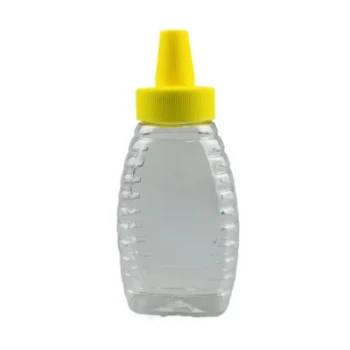
Classic Beehive Honey Bottle Jar with Squeeze Dispenser Lid

Economy Small Honey Filling Machine Honey Bottle Filler Packaging Machine

Automatic Honey Filling and Filtering Machine for Beekeeping Bottle Filling

Semi Automatic Small Honey Bottle Filling Machine Honey Filler
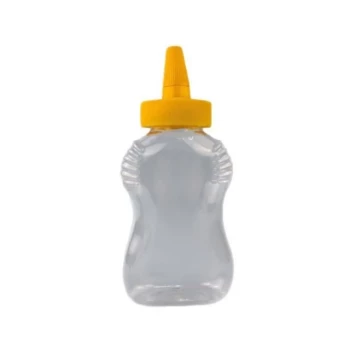
Ergonomic Squeezable Honey Bottle with Precision Twist Nozzle Cap