All Questions
What Is The Commercial Significance Of Using Glass Or Plastic Bottles For Stingless Bee Honey? Scale Your Honey Brand
Discover how 100ml-450ml glass and plastic containers optimize market reach and preserve the medicinal value of premium stingless bee honey.
What Are The Primary Technical Considerations For Selecting Glass Packaging Bottles For Stingless Bee Honey? A Technical Guide
Optimize your stingless bee honey packaging. Explore technical factors like acidity resistance, moisture control, and precision filling for potency.
What Role Do Lightweight Plastic Bottles Serve In Honey Logistics? Maximize Efficiency And Lower Shipping Costs
Discover how lightweight plastic bottles optimize the honey supply chain by reducing freight costs, preventing breakage, and boosting scalability.
Why Is The Use Of Standardized Food-Grade Plastic Containers Necessary For Honey Packaging? Ensure Quality & Safety
Learn why food-grade plastic is essential for honey distribution: ensuring hygiene, preventing oxidation, and meeting retail standards for success.
Why Is The Combination Of Sterile Centrifuge Tubes And Refrigeration Essential For Stingless Bee Honey? Expert Guide
Learn why sterile tubes and 4–8°C refrigeration are critical to preventing fermentation and preserving bioactive compounds in stingless bee honey.
Why Is The Use Of Sealed Glass Containers And Light-Protected Environments Essential For Honey Storage? Expert Guide
Learn how sealed glass and light protection prevent moisture flux and photodegradation to ensure the integrity of honey quality testing results.
Why Are High-Transparency Glass Wide-Mouth Jars Preferred For Honey Sample Collection? Ensure Purity & Accuracy
Learn why glass wide-mouth jars are essential for honey sampling, preserving chemical integrity and ensuring accurate lab analysis.
What Is The Specific Value Of Professional Storage And Branding In Forest Honey? Unlock Premium Market Growth
Learn how professional storage and branding preserve forest honey quality and build consumer trust to maximize market value and bargaining power.
What Role Do Standardized Honey Containers Play In The Commercialization Of Honey? Boost Value & Preservation
Learn how standardized honey containers prevent spoilage, simplify logistics, and unlock premium retail markets for your honey brand.
What Are The Commercial Benefits Of 600Ml Transparent Bottles For Stingless Bee Honey? Scale Your Retail Growth
Discover how 600ml transparent bottles elevate stingless bee honey market positioning, build consumer trust, and enable premium retail pricing.
How Do Standardized Packaging Materials Influence The Brand Value Of Honey? Unlock Global Market Premium
Learn how standardized packaging preserves honey quality, builds brand trust, and enables successful entry into high-end international markets.
Why Are High-Barrier Packaging Bottles Critical For Honey Merchandise? Ensure Freshness & Premium Brand Value
Discover why high-barrier packaging is essential for honey-themed products to prevent oxidation, preserve flavor, and elevate brand value.
What Technical Protection Do Honey Packaging Jars Provide? Secure Your Honey Quality And Supply Chain Integrity
Learn how honey packaging jars act as a technical barrier against moisture, fermentation, and contamination to preserve honey's purity and value.
What Is The Importance Of Using High-Quality Sealed Packaging For Honey? Protect Purity And Market Value
Learn why airtight sealing is vital for honey: preventing fermentation, blocking odors, and meeting global export standards for your apiary.
What Is The Role Of Industrial-Grade Honey Packaging Materials? Ensure Integrity And Market Success
Learn how industrial-grade honey packaging prevents fermentation, protects flavor, and drives brand differentiation for honey producers.
What Are The Technical Advantages Of Using Glass Containers For Packaging Honey Products? Preserve Purity And Quality
Discover the technical benefits of glass honey packaging: superior barrier properties, chemical inertness, and visual quality control.
What Are The Specific Requirements For Honey Sample Storage? Ensure Stability With Precision Containers And Control
Learn the essential requirements for honey sample storage, including 4°C temperature control and light-shielded containers for chemical stability.
What Role Do Specialized Honey Containers Play In Transport And Storage? Secure Honey Quality And Market Value
Learn how specialized honey containers prevent fermentation and oxidation, ensuring chemical integrity and logistical efficiency.
Why Is High-Quality Standardized Glass Packaging Necessary For Honey? Preserve Integrity & Build Consumer Trust
Discover why glass packaging is essential for honey: it prevents fermentation, ensures chemical stability, and proves product purity to buyers.
Why Must Royal Jelly Be Stored In Dark Opaque Bottles? Protect 10-Hda And Prevent Photolytic Degradation
Learn why dark opaque bottles are vital for royal jelly: protecting 10-HDA, preventing photolysis, and maintaining biological stability.
What Functions Do Specialized Small-Capacity Filling Bottles Serve? Protect And Premiumize Your Stingless Bee Honey
Learn how specialized small-capacity bottles prevent fermentation, preserve bio-activity, and maximize market value for stingless bee honey.
How Does Dedicated Hygienic Packaging Improve Honey's Commercial Value? Unlock Premium Pricing And Retail Success
Discover how switching to professional, hygienic packaging boosts honey sales, builds consumer trust, and unlocks high-end retail channels.
What Is The Function Of Packaging Accessories Like Seals Or Lids In Honey Storage? Protect Purity And Shelf Life
Learn how plastic seals and airtight lids prevent moisture absorption, fermentation, and leaks to maintain honey quality and market value.
Why Is High-Performance Protective Packaging Necessary For Manna Honey? Preserve Potency & Bioactive Integrity
Discover why high-performance packaging is vital for Manna honey to prevent oxidation, block UV light, and maintain medicinal bioactive compounds.
What Role Do Specialized Honey Packaging Bottles Play In The Distribution Of Trigona Honey? Secure Quality And Value
Discover how specialized packaging preserves Trigona honey integrity, prevents contamination, and elevates market value for global distribution.
What Are The Advantages Of Using Glass Jars For Honey Storage? Ensure Purity And Premium Appeal For Your Product
Discover why glass jars are superior for honey storage, offering chemical integrity, flavor preservation, and unmatched shelf stability.
How Do Specialized Small Flasks Facilitate The Commercial Distribution Of Stingless Bee Honey? Scale Your Premium Honey
Discover how specialized small flasks protect medicinal stingless bee honey, optimize retail pricing, and streamline commercial distribution.
What Is The Significance Of Using High-Quality Glass Packaging For Honey? Maximize Value And Shelf-Life For Exports
Discover how premium glass packaging preserves export honey quality, prevents fermentation, and boosts market value for international retail.
What Role Does Specialized Packaging Play In Marketing And Preservation? Master Honey Branding & Quality
Discover how specialized packaging preserves honey quality through moisture control and elevates brand value for premium market positioning.
Why Do Raw Honey Production Enterprises Require A Diverse Range Of Packaging? Maximize Market Reach And Growth
Learn how diverse honey packaging specifications—from 50g to 1200g—optimize consumer accessibility and drive market penetration for your brand.
What Are The Primary Considerations When Selecting Honey Containers? Glass Vs. Plastic For Maximum Quality And Profit
Compare glass vs. food-grade plastic honey containers. Learn about chemical stability, oxygen barriers, and logistics to choose the best packaging.
What Role Do Specialized Honey Sample Cups Play? Ensure Data Integrity In Lab Testing And Long-Distance Transport
Learn how specialized honey sample cups prevent contamination and moisture absorption to ensure accurate lab test results during transport.
Why Is The Use Of Clip-Top Glass Bottles Necessary For The Collection And Pre-Treatment Of Honey Samples? Protect Purity
Discover why clip-top glass bottles are vital for honey sampling to prevent hygroscopic moisture absorption and ensure chemical stability.
Why Are Glass Bottles Considered Essential Packaging Consumables In The Honey Bottling Process? Preserve Purity & Value
Learn why glass bottles are essential for honey packaging, offering chemical stability, moisture protection, and premium brand positioning.
Why Are Industrial-Grade Polypropylene And Glass Containers With Screw Caps Used For Honey Storage? Essential Guide
Learn why PP and glass containers with screw caps are vital for honey storage to prevent moisture, oxidation, and ensure quality monitoring.
Why Should Collected Honey Samples Be Stored In Inert Glass And Light-Shielded? Ensure Data Integrity And Purity
Learn why inert glass and light-shielding are critical for honey samples to prevent chemical migration and preserve bioactive markers.
Why Are High-Quality Glass Packaging Containers Preferred For Honey? Protect Quality And Boost Retail Appeal
Discover why glass is the industry standard for honey: learn how its chemical stability and transparency preserve flavor and build consumer trust.
Why Must Honey Samples Be Transferred To Amber Glass Bottles? Protect Integrity And Prevent Degradation
Learn why amber glass and Teflon gaskets are vital for honey sampling to prevent photodegradation and moisture absorption for accurate analysis.
Why Are High-Standard Sterile Packaging Bottles Essential For Stingless Bee Honey? Protect Your Product's Bioactivity
Learn why sterile packaging is vital for stingless bee honey to prevent fermentation, ensure safety, and preserve medicinal bioactive compounds.
Why Are High-Transparency Glass Jars Preferred As Packaging Consumables For Retail Bee Products? Boost Visual Trust
Discover why high-transparency glass jars are the top choice for retail bee products, offering superior protection and visual quality assurance.
Why Are Light-Shielding Glass Containers And Low-Temperature Freezing Equipment Necessary For Royal Jelly Storage?
Learn why UV-blocking glass and deep freezing are critical for preventing oxidation and preserving the active proteins of royal jelly.
What Are The Functions Of Sterile Glass Bottles And Centrifuge Tubes In Honey Sample Pretreatment?
Learn why sterile glass bottles and centrifuge tubes are essential for preserving honey sample integrity and ensuring accurate lab analysis.
Why Are Sterilized High-Density Polyethylene (Hdpe) Bottles Used For Honey? Ensure Accurate Sample Integrity
Learn why sterilized HDPE bottles are the industry standard for honey collection, protecting against contamination and chemical leaching.
What Technical Disadvantages Are Associated With Using Traditional Earthen Pots For Honey Storage? | Honey Quality Guide
Discover why earthen pots cause honey fermentation and crystallization. Learn the technical risks to honey quality and commercial value.
What Core Functions Do Glass Bottles Provide For Honey Packaging? Secure Superior Quality And Aroma Retention
Discover how glass packaging preserves honey quality through oxygen barriers, chemical inertness, and moisture control for extended shelf life.
What Role Do Honey Gift Boxes And Multipack Packaging Systems Play In Product Marketing? Boost Value & Brand Appeal
Learn how honey gift boxes and multipack systems enhance market positioning, ensure product stability, and build consumer trust through packaging.
Why Are Air-Tight Sterile Plastic Containers Required For Honey? Ensure Sample Integrity And Chemical Accuracy
Learn why sterile, air-tight containers are vital for honey sampling to prevent hygroscopic moisture absorption and microbial contamination.
What Are The Advantages Of Using Plastic Honey Bottles? Maximize Logistics Efficiency And Reduce Shipping Loss
Discover why plastic honey bottles are essential for commercial distribution, from lowering freight costs to ensuring retail compliance.
What Are The Limitations Of Plastic Honey Containers? Impact On Environment & Brand Perception
Explore the downsides of plastic honey containers, from low recycling rates and microplastic concerns to their impact on premium brand positioning.
How Do Glass Honey Jars Compare To Plastic Containers? Optimize Preservation And Premium Branding
Compare glass vs. plastic honey containers. Learn how glass offers superior flavor protection and premium branding for your apiary products.
What Are The Logistical Challenges Associated With Using Glass Jars For Honey Packaging? Navigating Weight & Fragility
Learn the logistical hurdles of glass honey packaging, from increased shipping costs to breakage risks and storage limitations.
Why Is It Important To Distinguish Between Weight And Volume When Selecting Honey Containers? Maximize Profits Now
Learn why honey is sold by weight, not volume, and how to avoid labeling errors and profit loss by choosing the correct honey containers.
What Are The Benefits Of Standardizing Honey Containers Around A 38Mm Lid Size? Maximize Your Bottling Efficiency
Learn how standardizing to 38mm honey lids reduces costs, simplifies inventory management, and streamlines your commercial bottling operations.
What Honey Container Sizes Are Recommended For Specific Commercial Use Cases? Maximize Your Apiary Profits
Learn how to select the right honey container sizes—from 2oz gift jars to 5lb bulk jugs—to optimize margins and meet market demands effectively.
How Do The Storage Requirements For Plastic Honey Bottles Differ From Glass Honey Jars? Logistics Vs. Quality Guide
Compare plastic vs. glass honey storage: discover how stacking resilience, weight, and barrier properties impact your warehouse and product quality.
How Do Packaging Consumables Like Glass Jars, Lids, And Labels Contribute To Honey Direct Sales? Boost Retail Value
Learn how strategic honey packaging—glass jars, lids, and labels—transforms bulk honey into high-value retail assets and secures market premiums.
What Is The Primary Purpose Of Glass Sampling Bottles And Industrial Coolers For Honey? Ensure Pesticide Trace Accuracy
Learn why glass bottles and 4°C industrial coolers are critical for honey pesticide residue monitoring by preventing leaching and degradation.
Why Are Glass Jars Used For Long-Term Honey Preservation? Secure Chemical Stability & Analytical Accuracy
Discover why glass jars are the gold standard for honey storage, offering chemical inertness and protection against moisture and oxidation.
What Are The Functional Advantages Of Using Dark Screw-Cap Glass Jars For Honey Storage? Preserving Purity & Stability
Discover how dark screw-cap glass jars protect honey samples by blocking UV rays and preventing moisture-driven fermentation and oxidation.
Why Are Transparent Glass Containers Utilized In Honey Storage Stability Studies? Simulating Real-World Quality Decay
Learn why transparent glass is the gold standard for honey stability studies, tracking flavonoid degradation and ensuring chemical inertness.
What Is The Function Of Standardized Glass And Plastic Containers In The Packaging Of Stingless Bee Honey? Key Benefits
Learn how standardized glass and plastic containers preserve bioactive potency, prevent fermentation, and ensure market access for stingless bee honey.
What Role Do Food-Grade Plastic Boxes And Packaging Play In Honey Logistics? Ensure Quality From Apiary To Market
Learn how food-grade plastic packaging prevents fermentation, ensures chemical purity, and optimizes honey transportation and storage.
Why Is The Use Of Sealed Spherical Or Cylindrical Containers Essential For The Long-Term Storage Of Honey? Expert Guide
Learn why cylindrical and spherical containers are essential to prevent honey fermentation, maintain osmotic pressure, and ensure long-term purity.
Why Use High-Quality Honey Jars? Protect Your Harvest With Superior Plastic & Glass Packaging Solutions
Learn why high-quality, airtight glass or plastic jars are essential for honey preservation, preventing fermentation and ensuring shelf stability.
Why Are Sterile Amber Glass Containers Required For Stingless Bee Honey? Ensure Sample Purity & Stability
Learn why sterile amber glass is essential for stingless bee honey to prevent fermentation and protect light-sensitive bioactive compounds.
What Is The Primary Role Of Using Polyethylene Bottles For Honey Samples? Ensure Data Integrity And Chemical Stability
Learn why polyethylene bottles are essential for honey sampling, focusing on chemical inertness, moisture control, and sample preservation.
What Are The Technical Advantages Of Using Dedicated Glass Bottles For Packaging Forest Honey? Premium Quality & Purity
Discover why glass packaging is the technical standard for forest honey, offering superior preservation and premium market positioning.
Why Is It Recommended To Store Raw Propolis In Dark Amber Glass Bottles At -20 °C? Expert Storage Standards
Learn why storing raw propolis at -20 °C in amber glass is essential for preserving bioactivity, phenols, and volatile organic compounds.
What Are The Advantages Of Using High-Quality Glass Bottles As Honey Packaging? Elevate Your Brand And Purity
Discover why glass is the gold standard for honey: learn about its superior preservation, chemical stability, and premium market positioning.
What Is The Function Of Customized Honey Packaging? Boost Gift Appeal & Medicinal Trust In Key Markets
Learn how customized honey packaging elevates products for social gifting and medicinal use while strengthening brand identity and market position.
What Specific Needs Did The Historical Development Of Glass-Jar Beekeeping Equipment Address? Innovation & Purity
Explore how glass-jar beekeeping solved the needs for non-invasive scientific research, labor reduction, and superior honey purity.
How Does The Selection Of Sustainable Packaging Materials Influence The Market Competitiveness Of Honey Products?
Discover how sustainable packaging boosts honey brand value, enables price premiums, and ensures product quality through technical integrity.
Why Is The Use Of Sterile Sampling Containers Necessary When Collecting Honey? Protect Your Honey's Biological Map
Learn why sterile containers are vital for honey origin testing, protecting the pollen spectrum and ensuring organic certification accuracy.
Why Is High-Transparency Glass Packaging Preferred For Honey With Wax Caps? Secure Your Premium Bio-Active Products
Learn why glass is the gold standard for wax-covered honey: it preserves lysozyme, prevents oxidation, and showcases natural textures for consumers.
What Is The Function Of Heat-Resistant Wide-Mouth Glass Culture Bottles In Honey Storage? Ensure Purity And Accuracy
Learn how heat-resistant wide-mouth glass bottles preserve honey integrity through sterilization, chemical inertness, and moisture control.
Why Are Food-Grade Plastic Or Glass Jars Preferred For Honey Packaging? Ensure Quality And Safety For Every Jar
Learn why food-grade glass and plastic are essential for honey packaging to prevent fermentation, preserve flavor, and meet retail standards.
What Role Do High-Quality Honey Packaging Materials Play? Elevate Your Brand And Ensure Product Purity
Discover how premium honey packaging prevents oxidation, secures transport, and transforms raw honey into a high-value retail brand.
Why Are Food-Grade Non-Toxic Plastic Bottles Used When Monitoring Hcn In Cassava Honey? Ensure Data Accuracy
Learn why food-grade plastic is essential for monitoring HCN degradation in Cassava honey by preventing chemical reactions and ensuring purity.
How Do Specialized Sample Containers Ensure Stingless Bee Honey Integrity? Essential Lab Analysis Protection
Learn how specialized containers protect stingless bee honey from moisture and contamination to ensure accurate laboratory analysis results.
What Is The Significance Of Using Sterile Plastic Bottles With Airtight Lids For Stingless Bee Honey? Ensure Data Integrity
Learn why sterile, airtight containers are essential for stingless bee honey sampling to prevent contamination and preserve chemical stability.
What Is The Purpose Of Using Handheld Filtering Equipment And Glass Storage Bottles In Honey Post-Harvest Processing?
Learn how filtration and glass storage ensure honey purity, prevent fermentation, and enhance market value for commercial success.
Why Are Honey-Themed Cultural Merchandise And Creative Packaging Materials Vital? Boost Your Honey Brand Value
Learn how creative packaging and cultural merchandise transform raw honey into a premium brand asset and drive high-end market growth.
Why Are 1 To 1.5Kg Glass Containers Widely Used For Honey? Master The Art Of Premium Honey Packaging
Explore why 1-1.5kg glass jars are the industry standard for honey, offering superior preservation, premium branding, and consumer trust.
What Is The Protective Function Of Specialized Packaging Consumables For Bioactive Bee Products? Preserving Potency
Learn how specialized packaging protects bioactive bee products from UV light, oxidation, and degradation to preserve clinical efficacy.
What Is The Purpose Of Using Plastic Bottles With Tight-Cap Seals For Honey Samples? Ensure Data Integrity And Purity
Learn how tight-cap plastic bottles preserve honey moisture, prevent contamination, and ensure accurate laboratory analysis for long-term storage.
Why Are Single-Use Independent Sachets A Key Honey Distribution Solution? Optimize Hygiene And Portion Control
Learn how single-use sachets solve hygiene, portioning, and traceability challenges in large-scale honey distribution and logistics.
Why Is It Necessary To Strictly Screen Honey Packaging Polymers? Ensure Purity & Block Contamination
Learn why screening polymer materials is vital to prevent chemical migration and moisture absorption in honey production.
Why Are Dark Glass Bottles With Sealed Caps Required For The Long-Term Preservation Of Honey Samples?
Learn why dark glass and hermetic seals are essential for honey preservation, protecting bioactive compounds and preventing fermentation.
Why Is The Sealing Performance Of Bottles Critical In Honey Packaging? Ensure Freshness & Prevent Fermentation
Learn why high-performance sealing in plastic and glass bottles is vital for preventing honey fermentation, moisture absorption, and flavor loss.
What Role Do Professional Honey Packaging Materials Play? Protect Quality And Boost Market Value
Learn how professional honey packaging prevents fermentation, ensures food safety, and transforms raw honey into a high-value retail brand.
What Are The Advantages Of Industrial Honey Packaging? Superior Sealing And Quality Protection For Bulk Honey Storage
Discover why industrial-grade honey containers outperform woven bags by preventing moisture absorption, fermentation, and contamination.
How Do Specialized Packaging Materials Contribute To Preservation Of Honey Products? Boost Value & Shelf Life
Discover how specialized packaging prevents honey fermentation, ensures physical integrity, and transforms products into premium export-grade assets.
How Do Standardized Honey Jar Lids, Like To 83, Measure Pollen Samples? Achieve Precise Volumetric Field Data
Learn how the TO 83 honey jar lid acts as a calibrated tool to measure 20g of pollen and 2,300 loads for statistically significant field research.
What Are The Advantages Of Soft Plastic Squeeze Bottles For Honey? Enhance Convenience And Hygiene In Retail Packaging
Explore how soft plastic squeeze bottles outperform glass jars in honey retail through superior hygiene, mess control, and logistics efficiency.
What Is The Function Of Alcohol-Filled Sampling Bottles In Honey Bee Collection? Ensure Accurate Parasite Detection
Learn how alcohol-filled sampling bottles preserve bee specimens, facilitate mite detachment, and ensure data integrity for lab analysis.
Why Must Sterilized Glass Bottles Be Used For Honey Samples? Ensure Purity & Precise Laboratory Results
Discover why sterilized glass is the gold standard for honey storage, preventing leaching, moisture ingress, and microbial contamination.
Why Are Sealed Glass Containers Recommended For Honey Storage? Ensure Sample Integrity For Laboratory Analysis
Learn why sealed glass is the industry standard for honey sampling, ensuring chemical stability, moisture control, and accurate lab results.
Why Select Honey Containers Based On Weight? Ensure Precision In Beekeeping Packaging And Labeling
Learn why honey's high density requires weight-based container selection to ensure accurate labeling and professional product presentation.
How Does A Honey Weight Calculator Facilitate The Use Of Multiple Bottle Sizes? Maximize Your Multi-Product Harvest
Learn how a honey weight calculator optimizes batch splitting across various jar sizes to ensure zero waste and accurate inventory management.
What Are The Benefits Of Using Sterilized Polyethylene Bottles For The Long-Term Storage Of Honey? Ensure Data Integrity
Discover why sterilized polyethylene is essential for honey storage, preventing fermentation and preserving chemical purity for up to 22 months.
Related Products

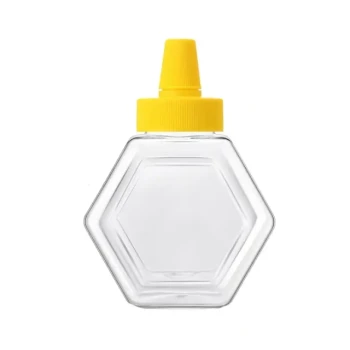
Classic Beehive Honey Bottle Jar with Squeeze Dispenser Lid

Economy Small Honey Filling Machine Honey Bottle Filler Packaging Machine

Automatic Honey Filling and Filtering Machine for Beekeeping Bottle Filling

Semi Automatic Small Honey Bottle Filling Machine Honey Filler
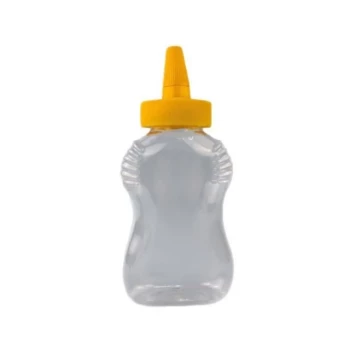
Ergonomic Squeezable Honey Bottle with Precision Twist Nozzle Cap