All Questions
Why Is The Hygiene And Precision Of Honey Filling Machinery Critical? Maximize Your Honey's Retail Value
Discover how professional honey filling machinery protects biological integrity, ensures dosage precision, and builds brand premium for retail.
How Do Automatic Honey-Filling Machines Enhance Profitability? Scale Your Honey Business With Industrial Precision
Learn how automatic honey-filling machines boost ROI through precise metering, waste reduction, and professional brand standardization.
What Role Do Automated Honey Filling Machines Play? Boost Profits And Brand Value In Your Honey Business
Learn how automated honey filling machines increase ROI through precision metering, hygiene standards, and retail branding capabilities.
In What Ways Do Automatic Honey-Filling Machines Facilitate Professional Production? Scale Your Apiary Efficiently
Discover how automatic honey-filling machines bridge the gap between hobbyist and professional beekeeping through consistency and safety.
What Technical Support Do Commercial-Grade Filling Machines Provide? Convert Honey Ntfps Into Marketable Commodities
Learn how commercial filling machines transform raw honey into retail-ready products through precision, hygiene, and automated standardization.
In What Way Does Professional Honey-Filling Equipment Ensure The Purity Of The Final Product? Maintain Residue-Free Quality
Learn how closed-loop systems and high-precision filtration in honey-filling machinery protect product purity from secondary contamination.
What Are The Primary Benefits Of Using Industrial Honey Filling Machines In Commercial Beekeeping? Scale Your Business.
Discover how honey filling machines automate packaging, ensure precise volume control, and help commercial apiaries scale for retail success.
Why Do Organic Honey And Liquid Foods Need High-Precision Filling Equipment For The Eu? Key To Market Access
Discover why high-precision filling and sealing are essential for EU organic certification, product stability, and full traceability.
What Role Do Automated Honey Filling Machines Play In The Packaging Of Black Honey? Secure Global Market Entry Now
Discover how automated filling machines ensure hygiene, weight precision, and regulatory compliance for premium black honey packaging.
What Is The Role Of Honey Filling And Packaging Systems? Automate Your Path To Premium Retail Markets
Discover how honey filling systems ensure precision, safety, and brand integrity, transforming bulk honey into high-value retail products.
How Do Industrial Honey-Filling Machines Enhance The Commercial Distribution Of Bee Products? Maximize Your Market Reach
Learn how industrial honey-filling machines automate production, ensure hygiene, and standardize packaging for global distribution.
Why Are Professional-Grade Honey Filling Machines Necessary? Boost Accuracy And Hygiene In Commercial Production
Discover why professional honey filling machines are essential for hygiene, dosage precision, and efficiency in commercial honey processing.
What Is The Importance Of Automated Honey Filling Equipment For Organic Honey Quality And Purity?
Discover how automated honey filling equipment preserves organic integrity, ensures traceability, and prevents contamination for premium markets.
How Do Automated Filling Machines Contribute To Honey Production? Scale Your Apiary With Precision Packaging
Learn how automated honey filling machines ensure hygiene, volume precision, and brand consistency for commercial apiaries and distributors.
What Technical Advantages Do Honey Filling Machines Provide? Optimize Your Large-Scale Honey Production Efficiency
Discover how high-performance honey filling machines solve viscosity issues, ensure weight precision, and maintain hygiene standards.
How Does The Implementation Of Industrial Honey Filling Machinery Affect Commercial Apiaries? Boost Your Efficiency
Discover how industrial honey filling machinery and automated lines slash labor costs, ensure hygiene, and optimize apiary resource allocation.
How Do Industrial Honey-Filling Machines Contribute To The Commercialization? Master Precision & Quality Control
Discover how automated honey-filling machines enhance product purity, ensure regulatory compliance, and scale your commercial operations.
Why Are Industrial-Grade Honey Filling Machines Critical? Enhance Efficiency And Safety In Your Commercial Apiary
Learn how industrial-grade honey filling machines ensure precision, hygiene, and efficiency to transform raw honey into export-ready products.
Why Is Industrial-Grade Honey Filling Equipment Essential? Secure Global Trade With Precise Automation
Learn how industrial honey filling equipment ensures export compliance through automated flow control, vacuum sealing, and hygienic standards.
How Does An Industrial-Grade Honey Sachet Packaging Machine Assist Beekeepers In Accessing Public Institution Markets?
Learn how honey sachet packaging machines enable beekeepers to win government tenders and school contracts through automated secondary processing.
In What Ways Do Industrial Honey Filling Machines Improve Competitiveness? Boost Efficiency And Market Value
Discover how industrial honey filling machines enhance honey production through automation, precision filling, and strict hygiene controls.
What Technical Challenges Do High-Precision Automatic Honey Filling Machines Solve? Mastering Commercial Post-Processing
Learn how automatic honey filling machines solve viscosity, hygiene, and accuracy challenges to ensure consistent, high-quality retail packaging.
How Does The Use Of Standardized Honey Filling Machines Contribute To Brand Building? Build Trust With Precision Filling
Discover how automated honey filling machines enhance brand authority, ensure volumetric accuracy, and improve shelf presence for premium honey products.
How Do Automated Honey Filling Lines Ensure Commercial Value? Boost Your Honey Brand's Competitiveness And Roi
Learn how automated honey filling lines use precision and hygiene to reduce waste, ensure retail standards, and maximize your profit margins.
What Is The Function Of Industrial-Grade Plastic Funnels In Honey Bottling? Essential Tools For Precision & Hygiene
Learn how industrial-grade funnels optimize honey bottling by managing viscosity, reducing product waste, and ensuring food-grade hygiene standards.
How Do Automated Honey-Filling Machines Ensure Hygiene And Precision? Scale Your Production With Industrial Accuracy
Learn how automated honey-filling machines use food-grade steel, CIP systems, and precision pumps to ensure hygiene and volumetric accuracy.
Why Are Professional Honey-Filling And Sealing Machines Essential For Stingless Bee Honey? Maximize Value & Purity
Learn how professional filling and sealing machines preserve the bioactivity of stingless bee honey while ensuring pharmaceutical-grade safety.
What Advantages Do High-Precision Honey Filling Machines Provide? Optimize Commercial Packaging And Profit Margins
Discover how high-precision honey filling machines reduce waste, ensure hygiene, and preserve product quality in commercial packaging operations.
What Is The Primary Function Of Industrial Filling Equipment? Maximize Honey Profitability And Market Access
Learn how industrial honey filling equipment transforms raw bulk honey into high-value retail goods by enhancing efficiency and hygiene.
What Is The Economic Significance Of Standardized Honey Filling Equipment? Scaling Commercial Success For Apiaries
Learn how standardized honey filling equipment and packaging unlock high-value markets, reduce waste, and ensure long-term profitability.
Why Is High-Precision Honey-Filling Equipment Essential? Ensure Consistency For Fir And Chestnut Honey
Learn how precision filling equipment manages viscosity in monofloral honeys like fir and chestnut to ensure accuracy and preserve product quality.
Why Is The Use Of High-Precision Honey Filling Machines Necessary? Secure Your Stingless Bee Honey Profits
Learn how high-precision honey filling machines prevent fermentation, minimize waste, and enable commercial scaling for stingless bee honey.
What Are The Advantages Of Using An Automatic Honey Filling Machine? Ensure Superior Quality And Moisture Control
Discover how automatic honey filling machines maintain quality by preventing moisture absorption, fermentation, and oxidation compared to manual filling.
What Function Does Precision Filling Equipment Serve In Raw Honey Repackaging? Optimize Yield And Ensure Compliance
Discover how precision filling equipment ensures regulatory compliance, eliminates honey waste, and scales your honey repackaging operation.
How Do Automatic Or Semi-Automatic Honey-Filling Machines Contribute To Commercialization? Scale Your Honey Production
Learn how honey-filling machines drive commercial growth through increased throughput, precision packaging, and professional brand standardization.
What Role Does Automated Honey Filling Machinery Play In Extending The Value Chain? Boost Profits And Global Brand Reach
Discover how automated honey filling machinery transforms raw honey into high-value brands by ensuring hygiene, precision, and global standards.
What Is The Function Of Automatic Honey Filling Machines? Transform Bulk Honey Into High-Value Retail Assets
Discover how automatic honey filling machines ensure precision, hygiene, and commercial viability in honey production and packaging.
Why Is A Specialized Honey Filling Machine Necessary? Preserve Premium Abies Alba Honey Quality & Aroma
Discover why specialized filling machines are vital for Abies alba honey to prevent oxidation, maintain color, and ensure precise bottling.
How Do Automated Honey-Filling Machines Contribute To The Commercial Honey Processing Chain? Scale Your Apiary Output
Learn how automated honey-filling machines optimize production through precision, hygiene, and efficiency for commercial distribution.
How Do Automated Honey Filling And Sealing Machines Contribute To Maintaining The Physicochemical Properties Of Honey?
Learn how automated honey filling systems protect chemical stability, prevent fermentation, and ensure regulatory compliance in commercial apiaries.
What Are The Benefits Of Using High-Precision Honey-Filling Machines? Boost Quality And Efficiency In Honey Packaging
Discover how high-precision honey-filling machines preserve enzyme activity, reduce material waste, and ensure regulatory compliance for brands.
How Do Automated Honey Filling Machines Ensure Product Quality And Safety? Optimize Your Packaging Standards
Learn how automated honey filling systems prevent contamination, preserve enzymes, and ensure precise dosing for commercial safety and quality.
How Does Automated Honey Filling Equipment Contribute To International Standards For Honeydew Honey Exports?
Learn how automated honey filling equipment ensures hygiene, precision, and compliance for high-value honeydew honey exports to global markets.
What Contribution Does Automatic Honey Filling And Processing Machinery Make To The Honey Industry's Value Enhancement?
Discover how automated honey processing preserves product integrity, unlocks premium niche markets, and scales production for global export.
What Are The Advantages Of Automatic Honey Filling Machines? Boost Market Competitiveness And Brand Value
Discover how automatic honey filling machines enhance precision, reduce costs, and ensure food safety to build a competitive honey brand.
How Do Automated Honey Filling Machines Function? Enhance Efficiency And Purity In Honey Packaging
Learn how automated honey filling machines manage viscosity, preserve enzymes, and ensure precision for commercial apiaries.
What Are The Benefits Of Using Automated Honey-Filling Machinery? Boost Efficiency And Value For Commercial Apiaries
Discover how automated honey-filling machinery enhances precision, reduces labor costs, and maximizes product value for commercial beekeeping.
How Do Industrial Honey Filling Machines Assist Honey Producers? Unlock Retail Success & Higher Margins
Learn how industrial honey filling machines enable producers to transition from bulk sales to high-margin retail markets with precision and hygiene.
What Is The Role Of High-Precision Honey Filling Machines In Medical-Grade Manuka Honey Production?
Discover how precision filling machines protect MGO levels and ensure the therapeutic potency of medical-grade Manuka honey.
What Are The Technical Advantages Of Industrial-Grade Honey Filling Machines? Optimize Your Commercial Production
Discover how industrial honey filling machines enhance precision, hygiene, and efficiency compared to traditional manual bottling methods.
What Are The Technical Advantages Of High-Precision Honey Filling Equipment? Boost Accuracy And Commercial Scalability
Discover how high-precision honey filling equipment ensures regulatory compliance, minimizes waste, and enhances hygiene for commercial apiaries.
What Technical Advantages Do Precision Honey Filling Machines Provide? Optimize Your Honey Packaging Workflow
Learn how precision filling machines use metering pumps and sealed environments to ensure bubble-free, consistent honey packaging results.
How Do Industrial Honey-Filling And Processing Machines Contribute To Regional Food Security? Stabilizing Supply Chains
Discover how industrial honey-filling machines enhance food security through aseptic processing, shelf-life extension, and waste reduction.
What Role Does A High-Precision Honey Filling Machine Play? Elevate Forest Honey Into Premium Commercial Commodities
Learn how high-precision honey filling machines ensure standardization, prevent contamination, and drive retail success for forest honey products.
In What Ways Does Industrial-Grade Honey Filling Equipment Enhance The Value Of The Commercial Apiculture Industry?
Discover how industrial honey filling equipment boosts value through automation, precision weighing, and hygiene for commercial apiculture.
How Do Specialized Machines For Packing Honey Enhance The Commercial Value Of Honey Products? Scale Your Brand Today
Learn how automated honey packing machines boost value through precision filling, hygiene standards, and operational scalability for apiaries.
How Does Automatic Honey Filling Equipment Improve Production Efficiency? Elevate Your Honey Line With Automation
Learn how automatic honey filling equipment enhances efficiency, ensures food safety, and reduces waste in commercial honey production lines.
How Do Professional Honey Filling And Processing Machines Contribute To The Commercial Value Of Stingless Bee Honey?
Discover how professional honey filling and processing machines preserve medicinal integrity, maximize yield, and unlock premium health markets.
How Does Modern Honey Filling And Packaging Machinery Assist In Controlling The Risk Of Antibiotic Residue Contamination? Prevent Cross-Contamination & Ensure Batch Integrity
Learn how automated honey filling lines use CIP technology and batch management to isolate antibiotic residues and maintain product purity.
How Do Automated Honey-Filling Machines Improve Product Competitiveness? Drive Quality And Safety In Every Bottle
Learn how automated honey-filling machines enhance competitiveness through sterile processing, precision, and the preservation of honey's enzymes.
How Does The Temperature Control System In Honey Filling Production Lines Affect Quality? Master Precision Processing
Learn how temperature management in honey filling lines prevents HMF spikes, protects enzymes, and ensures optimal viscosity.
Why Are Professional Honey-Filling Machines Critical? Scale Your Beekeeping Revenue With Automated Precision
Discover how professional honey-filling machines boost economic value through hygiene standards, export readiness, and reduced operational waste.
Why Is The Establishment Of A Seasonal Flowering Calendar Critical? Optimize Your Honey Filling Production Today
Learn how a flowering calendar synchronizes nectar flows with honey filling machine schedules to maximize efficiency and equipment maintenance.
What Are The Economic Benefits Of Automated Honey Filling Systems? Boost Roi In Large-Scale Commercial Apiaries
Discover how automated honey filling systems reduce labor costs, eliminate product waste, and optimize commercial apiary operations for higher profit.
What Role Do Industrial Honey-Filling Machines Play In Processing Specialty Honeys? Scale Your Brand For Export
Discover how industrial honey-filling machines ensure purity, volumetric accuracy, and standardized packaging for specialty honey products.
How Do High-Performance Honey Extraction And Filling Machines Impact Profitability? Maximize Your Apiary Roi
Discover how automated honey processing equipment boosts profitability by reducing labor, increasing yield, and enabling retail-ready sales.
How Do Automated Honey Filling Machines And Processing Equipment Contribute To Market Competitiveness? From Bulk To Brand
Learn how automated honey processing shifts your business from low-margin bulk sales to high-value retail branding and market access.
What Problems Are Addressed By Using Specialized Honey Filtration And Filling Equipment? Scaling Melipona Honey Quality
Discover how specialized equipment solves contamination, consistency, and preservation issues in Melipona honey processing.
How Do Automated Honey Filling And Packaging Machines Contribute To The Commercialization Of Honey Products?
Discover how automated filling and packaging machines transform raw honey into retail-ready products through precision and hygiene.
In What Ways Do Industrial-Grade Honey Filling And Packaging Machines Enhance The Commercial Competitiveness? - Honestbee
Discover how automated honey filling machines enhance market competitiveness through precision, hygiene control, and scalable production efficiency.
How Do Hive-Making Machinery And Honey-Filling Machines Contribute To Commercial Apiaries? Drive Scale And Efficiency
Learn how hive-making and honey-filling machinery enable standardization, reduce costs, and maximize throughput for commercial beekeeping operations.
What Role Do Commercial Honey Filling Machines Play In Honey Distribution? Scaling Efficiency And Quality Control
Discover how commercial honey filling machines automate high-precision production to reduce waste and ensure retail compliance for distributors.
What Are The Advantages Of Using Automated Honey-Filling Machines? Boost Precision And Scale Your Commercial Apiary
Discover how automated honey-filling machines enhance precision, ensure hygiene compliance, and scale production for commercial honey processing.
What Function Do Automated Honey-Filling Machines Serve? Boost Commercial Honey Quality And Brand Consistency
Learn how automated honey-filling machines ensure precision, hygiene, and shelf stability to transform raw honey into retail-ready products.
How Do Automatic Honey Filling Machines Contribute To Beekeeping Sustainability? Boost Your Apiary's Roi
Discover how automated honey filling equipment drives economic sustainability by reducing labor costs and maximizing retail profit margins.
How Do Industrial Honey Filling Machines Ensure Quality? Meet Strict Retail Standards With Precision Automation
Learn how industrial-grade filling machines use precision metering and aseptic technology to meet retail hygiene and weight standards.
How Do Automated Honey-Filling And Packaging Machines Benefit Small-Scale Producers? Your Key To Retail Market Entry
Learn how automated honey packaging systems bridge the gap to retail through consistency, food safety, and operational scalability.
How Does The Use Of Standardized Honey-Filling Machines Improve Distribution Efficiency? 5 Key Benefits For Scale
Learn how standardized honey-filling and packaging equipment optimizes logistics, ensures product integrity, and boosts retail market access.
How Does Industrial Honey Packaging Equipment Support Pollination Sustainability? Empower Your Commercial Honey Business
Learn how industrial honey filling machinery secures the financial sustainability of pollination services by boosting market value and efficiency.
How Does An Automated Honey-Filling Machine Improve Production Efficiency? Scale Your Commercial Apiary Output
Discover how automated honey-filling machines boost efficiency via precision metering, waste reduction, and hygienic high-speed packaging.
How Does High-Efficiency Honey Filling Machinery Contribute To Commercialization? Scaling Your Honey Brand Effectively
Discover how automated honey filling machinery enhances standardization, ensures food safety, and maximizes yield for commercial honey producers.
Why Is Automated Honey Filling And Labeling Machinery Essential? Scale Your Honey Export To High-End Global Markets
Learn how automated honey filling and labeling machinery ensures regulatory compliance, sterility, and brand value for international honey export.
How Do Industrial Honey Filtration And Filling Machines Improve Honey's Market Value? Transform Your Raw Harvest
Learn how industrial filtration and filling machines boost honey market value by enhancing clarity, hygiene, and commercial standardization.
What Is The Importance Of Automated Honey-Filling Machines? Boost Efficiency And Safety In Your Supply Chain
Discover how automated honey-filling machines preserve product integrity, ensure food safety, and drive economic growth for commercial apiaries.
How Do Industrial Honey-Filling And Packaging Machines Provide Commercial Value? Scale Your Apiary To Retail Standards
Discover how honey-filling machines drive commercial value through hygiene, precision volume control, and scalable production for global markets.
Why Is Specialized Honey-Filling And Packaging Machinery Vital For Commercial Apiaries? Boost Your Profitability Today
Discover how automated honey-filling machinery maximizes efficiency, reduces labor costs, and secures export-ready quality for your apiary.
How Do Automated Honey-Filling Machines Improve The Honey Post-Processing Stage? Scale Your Apiary Efficiency
Discover how automated honey-filling machines enhance consistency, hygiene, and efficiency compared to manual bottling operations.
What Specific Issues Do Industrial Filtration And Automated Filling Machinery Address? Ensure Honey Quality & Compliance
Learn how industrial filtration and automated filling machinery solve contamination and inconsistency issues in honey production.
How Do Industrial Quantitative Packaging Machines Contribute To The Automated Production Of Bee Candy? Efficiency Guide
Learn how industrial quantitative packaging machines automate bee candy production, ensuring precise filling and airtight sealing.
How Does Automated Honey Sampling And Filling Equipment Assist In Safety Evaluations? Ensure Lab-Grade Data Integrity
Learn how automated honey filling equipment preserves chemical integrity and eliminates contamination for accurate pesticide and safety testing.
What Technical Challenges Do High-Precision Honey-Filling Machines Solve? Master Accuracy And Industrial Efficiency
Discover how precision filling machines solve viscosity, air bubbles, and hygiene issues to ensure retail-ready honey for commercial apiaries.
How Do Honey Filling And Packaging Machines Assist In Increasing The Added Value Of Beekeeping Products For Brands?
Discover how automated honey filling and packaging machines boost brand value through precision, compliance, and enhanced production efficiency.
How Do Industrial Air Compressors Assist In The Packaging Stage Of Bee Sugar Paste? Ensure Precise And Hygienic Filling
Learn how industrial air compressors provide essential pneumatic power for the automated filling, sealing, and hygiene of bee sugar paste.
How Do Automated Honey-Filling And Hive-Making Machines Support Varroa Mite Control In Commercial Apiaries?
Discover how apiary automation and standardized hive production provide the precision and time required for effective Varroa mite management.
Why Is Precision Honey Filling Equipment Critical For Competitiveness? Secure Market Authority With Advanced Packaging
Discover how precision honey filling equipment ensures regulatory compliance, preserves quality, and builds brand value for commercial success.
How Does Automated Filling Equipment Support The Enhancement Of Market Value For Honey? Scaling Your Brand Value
Discover how automated filling equipment elevates honey market value through precision, hygiene, and professional packaging consistency.
Why Is Precision Temperature Control Necessary For Red Honey Filling? Preserve Amorpha Fruticosa Color And Aroma
Learn how precision temperature control in filling equipment protects the unique red color and flavor profile of Amorpha fruticosa honey.
How Do Automated Honey-Filling Machines Contribute To Quality Control? Ensure Safety And Uniformity In Every Batch
Learn how automated honey-filling machines manage trace residues and prevent contamination through precision metering and closed-loop systems.
What Are The Technical Advantages Of Using Industrial-Grade Honey Filling Machines Compared To Manual Filling Processes?
Discover how automated honey filling machines enhance hygiene, preserve bioactive stability, and boost precision compared to manual methods.
How Do Automatic Honey-Filling Machines Facilitate The Transition To Retail? Professional Solutions For Beekeeping
Learn how automatic honey-filling machines bridge the gap between raw honey and retail-ready products through precision and hygiene.
Related Products

Economy Small Honey Filling Machine Honey Bottle Filler Packaging Machine

Pneumatic Paste Filling Machine Bottling Packaging Machine Single Nozzle

Small Honey Filling Machine Sachet Packing Equipment Single Nozzle
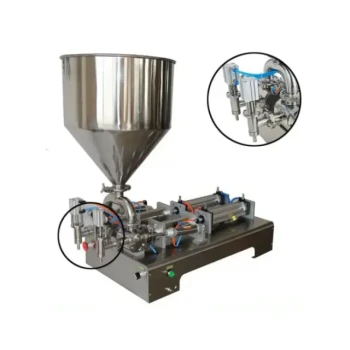
Pneumatic Double Nozzle Honey Filling Bottling Packaging Machine

Fully Automatic Honey Filling Packaging Machine for Processing Line
